Tag: home office

  • Top 10 Home Office and Smart Home Upgrades for 2026: Practical Picks for Comfort, Focus, and Everyday Control

    Top 10 Home Office and Smart Home Upgrades for 2026: Practical Picks for Comfort, Focus, and Everyday Control

    Affiliate disclosure: As an Amazon Associate, I earn from qualifying purchases. This article contains affiliate links, which means I may earn a commission if you buy through these links at no extra cost to you.

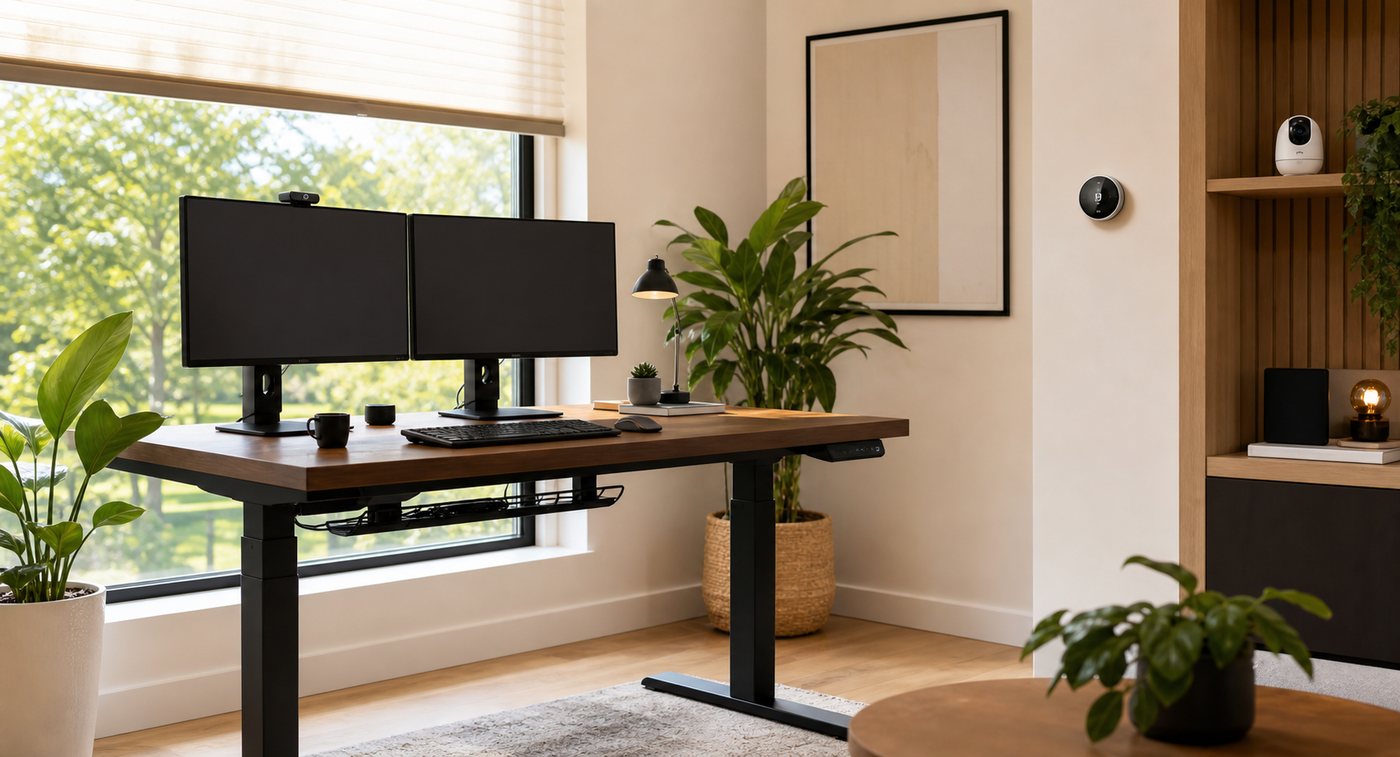
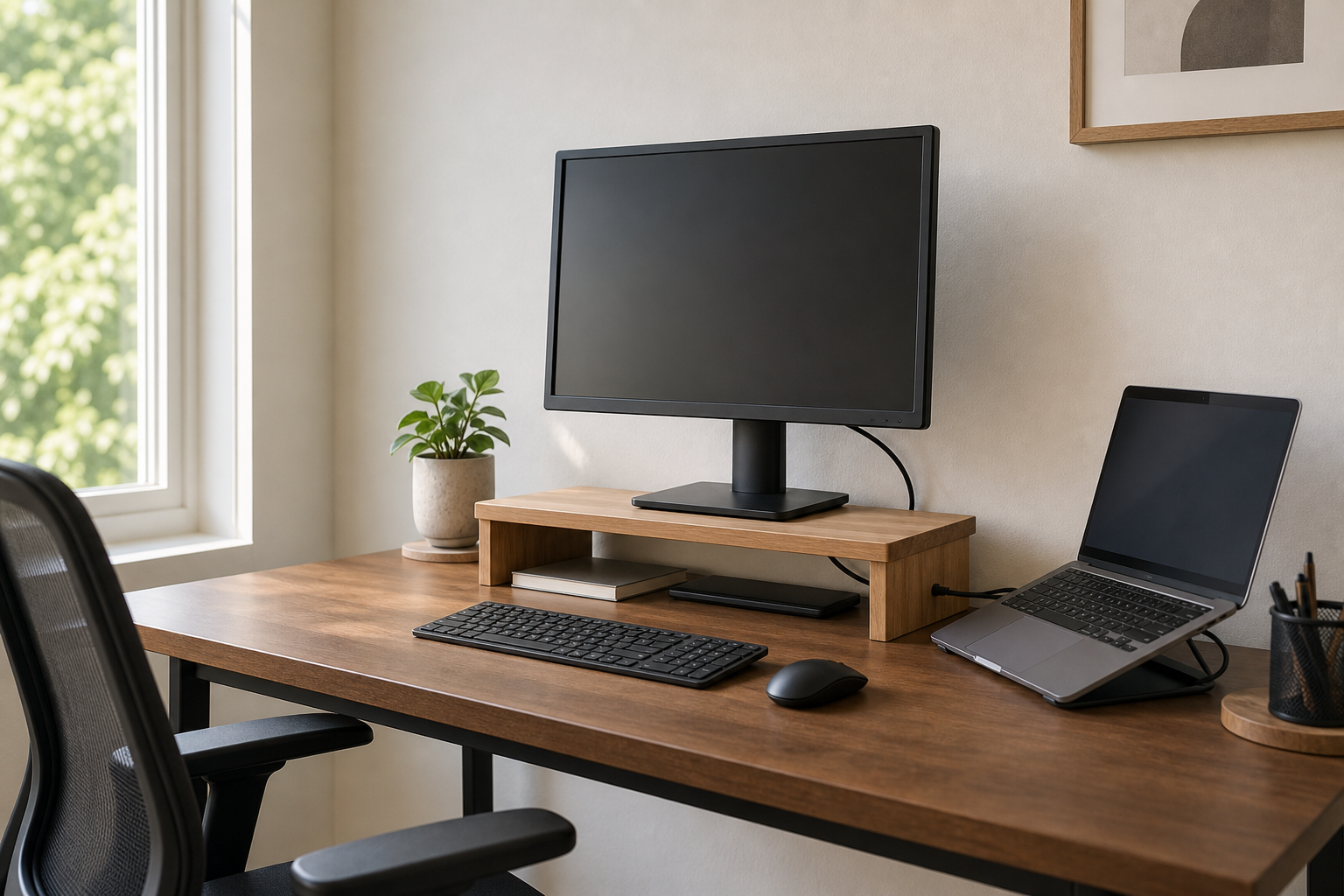
    Modern ergonomic home office with smart home devices and organized remote work setup

    The best home office upgrades in 2026 are not just about making your desk look nicer on video calls. They are about removing small daily annoyances: a desk that is too low for a tall person, a chair that leaves your lower back tired, cables that fight every standing-desk movement, a microphone that picks up every keyboard click, or a thermostat that treats the upstairs bedroom and downstairs office like the same climate. If you work from home, stream, manage a hybrid office, or simply want your house to feel more responsive, this guide covers the products worth comparing before you buy.

    Instead of chasing flashy features, the smart move is to match each upgrade to a real pain point. OSHA’s computer workstation guidance emphasizes that there is no single perfect posture for everyone, but there are design goals that reduce awkward positions and make long computer work more comfortable. In plain English: buy adjustable gear, set it up carefully, and change positions often. That same practical mindset applies to smart home devices too. The right product is the one that fits your room, wiring, Wi-Fi situation, Apple HomeKit or Matter ecosystem, and daily routine.

    Quick navigation:
    Comparison table |
    Buying guide |
    Setup tips |
    FAQ

    Quick Comparison: What to Shop For First

    Keyword Best for What to check in 2026 Amazon
    best ergonomic standing desk for tall people Tall remote workers Maximum height, stability at full extension, programmable presets Check Options on Amazon
    under desk treadmill for heavy adults Low-speed walking during work Weight capacity, motor noise, deck width, return policy Check Options on Amazon
    noise cancelling microphone for open office Calls in shared spaces Directional pickup, software noise reduction, mute controls Check Options on Amazon
    smart blinds compatible with apple homekit Apple smart homes HomeKit/Matter support, motor noise, window size, power type Check Options on Amazon
    posture correcting desk chair for lower back pain Long sitting sessions Lumbar support, seat depth, armrest adjustment, trial period Check Options on Amazon
    dual monitor mount for curved screens Large desk setups VESA size, monitor weight, arm reach, curve clearance Check Options on Amazon
    battery powered outdoor security camera no wifi Remote gates, sheds, cabins Cellular plan, local storage, weather rating, battery swaps Check Options on Amazon
    adjustable laptop stand for bed reading Bedside reading and light work Stability, heat ventilation, angle range, wrist comfort Check Options on Amazon
    under desk cable management tray for standing desk Clean sit-stand setups Tray depth, clamp vs screw mount, power strip fit Check Options on Amazon
    smart thermostat for multiple zones without c wire Older multi-zone homes C-wire adapter, zone compatibility, HVAC type, app controls Check Options on Amazon

    How to Choose the Right Upgrade

    1. Start with ergonomics, not aesthetics

    A tall person shopping for an ergonomic standing desk should ignore most product photos and go straight to the height range. Many desks look premium but do not rise high enough for someone over six feet tall to keep elbows near a comfortable angle. Look for a frame that remains stable near its maximum height, a wide surface that fits your keyboard and monitor depth, and preset controls so you can switch between sitting and standing without guessing. If you add an under-desk treadmill, make sure the desk can still reach your typing height while you stand on the treadmill deck.
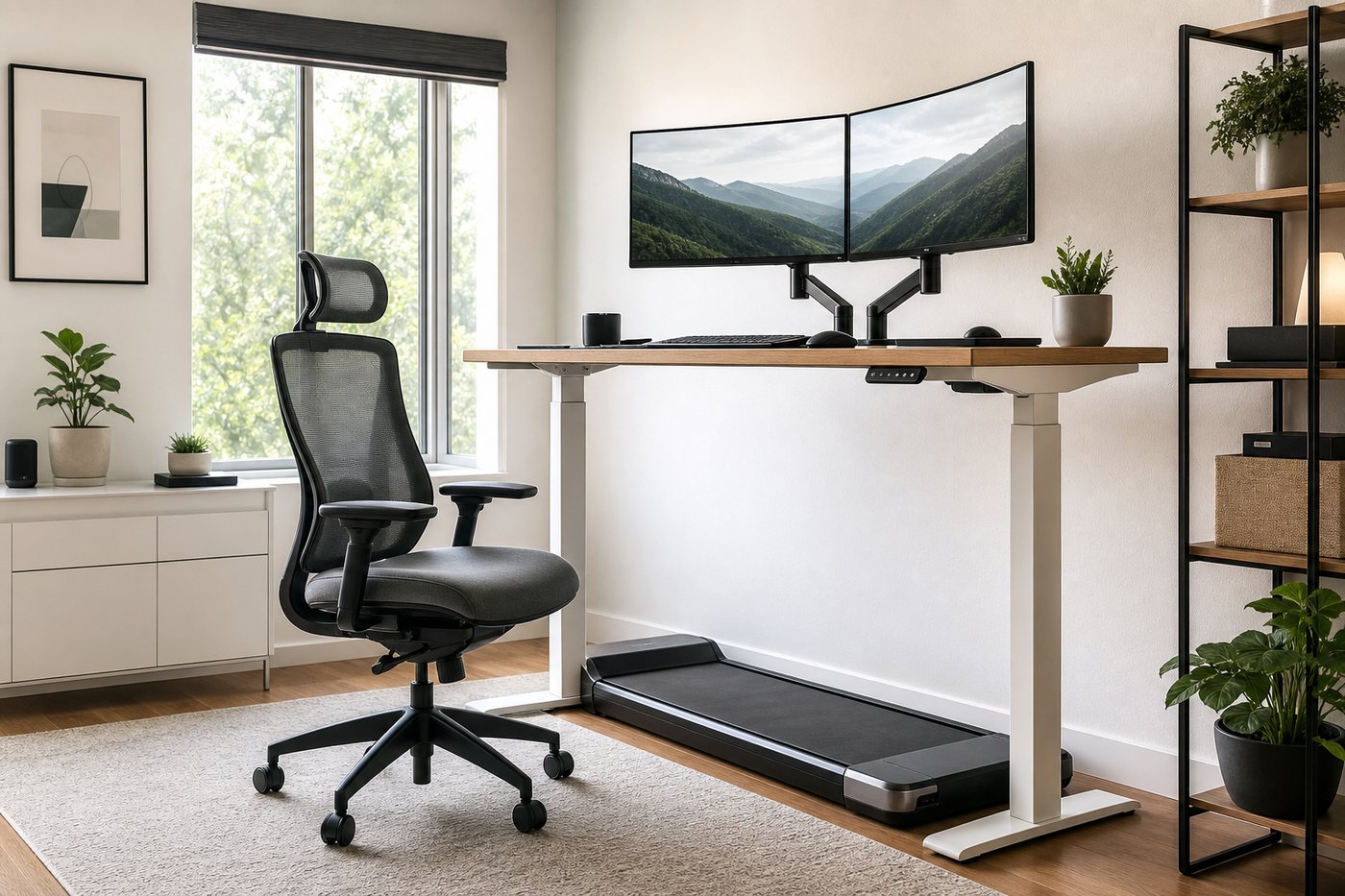
    Tall user friendly standing desk with monitor arms ergonomic chair and under desk treadmill
    A strong 2026 workstation starts with adjustability: desk height, chair fit, monitor placement, and walking room.

    2. Treat movement as a gentle habit

    An under-desk treadmill for heavy adults should be selected more like office equipment than gym equipment. The important details are weight capacity, low-speed smoothness, motor sound, deck width, and how easy it is to move when you need normal desk space. A treadmill that is too narrow or loud will become a storage problem. For most work sessions, the goal is slow walking while reading, taking calls, or sorting tasks, not sprinting through your inbox.

    3. Buy audio before buying another webcam

    Open offices and busy homes make microphones work hard. A noise cancelling microphone for open office use should have a directional pickup pattern, a physical mute button, stable USB or wireless connection, and software that handles fan noise, keyboard taps, and distant voices without making your voice sound robotic. For shared desks, a compact desktop mic or headset-style mic may outperform a beautiful microphone that sits too far away from your mouth.

    4. Check ecosystem compatibility before smart home purchases

    Smart blinds compatible with Apple HomeKit are excellent for glare control, privacy, and energy routines, but compatibility details matter. Some products support HomeKit directly; others need a hub; newer devices may support Matter, which can make cross-platform control easier. Also decide whether you want battery-powered motors, hardwired shades, or retrofit kits for existing blinds. For bedrooms, motor noise and schedule reliability are just as important as app features.
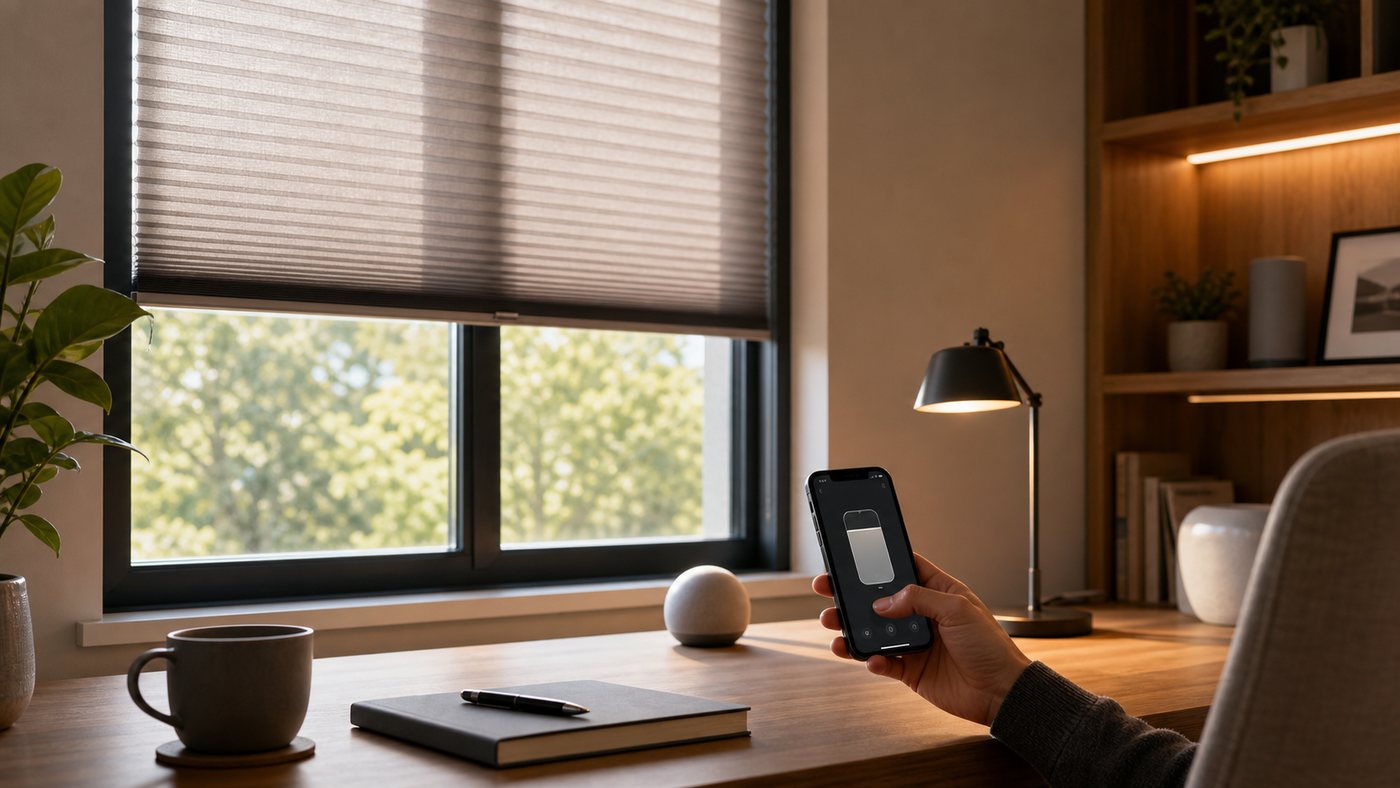
    Home office window with automated smart blinds and soft daylight controlled by phone
    Smart blinds are most useful when they solve glare and privacy automatically instead of adding another app chore.

    5. Lower-back comfort is about fit

    A posture correcting desk chair for lower back pain should not force you into one rigid pose. Better chairs support movement while keeping your spine, hips, and shoulders in a comfortable working range. Look for adjustable lumbar support, seat depth control, armrests that do not push your shoulders upward, and a return policy. If you have persistent pain, treat the chair as a comfort tool, not medical treatment, and consider professional advice.

    6. Plan monitor mounts and cable trays together

    Dual monitor mounts for curved screens need extra attention because curved displays can be wider, heavier, and deeper than standard monitors. Confirm the VESA pattern and weight limit for each arm. Then add an under desk cable management tray for your standing desk so power bricks and cables move as one organized system. Leave enough slack for the desk at full height, secure the power strip, and avoid routing cables where they can pinch against the frame.
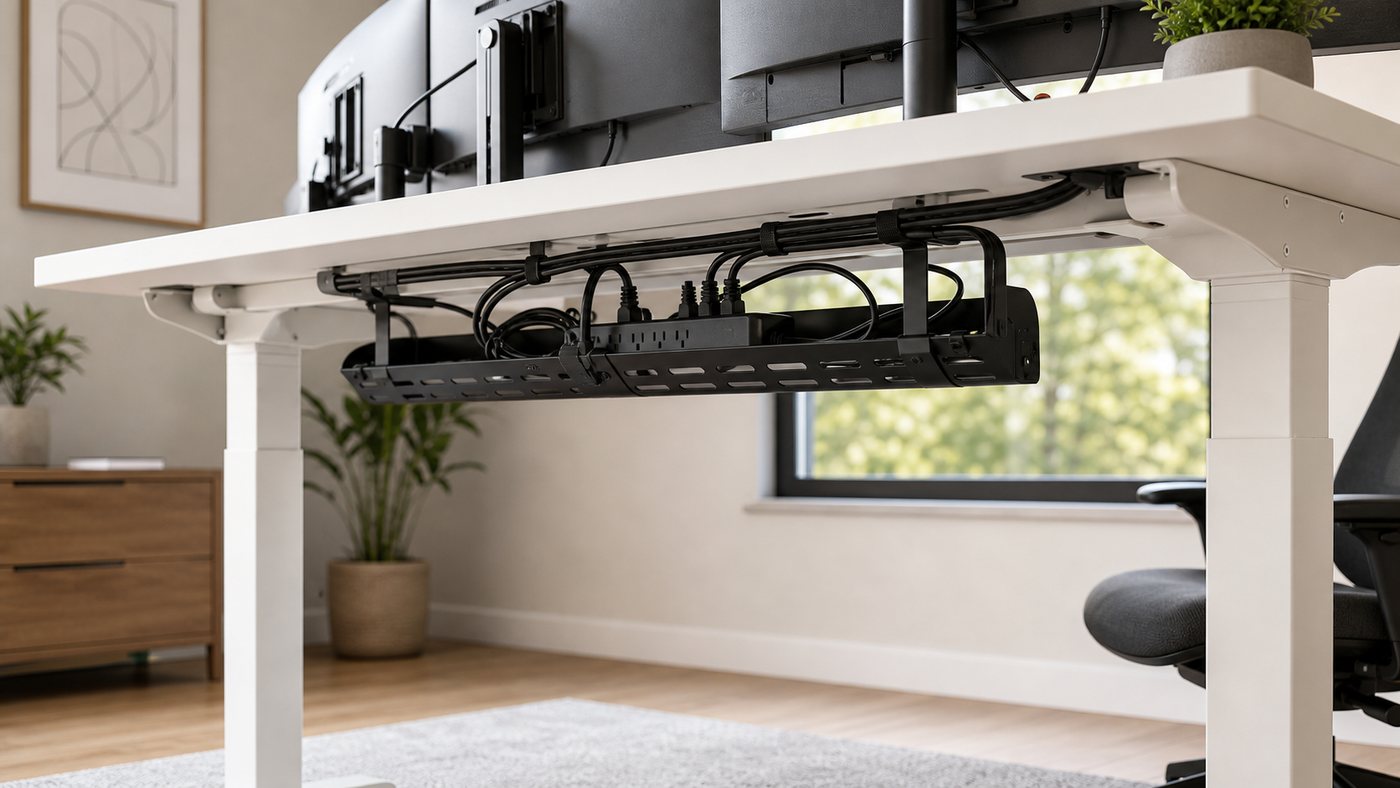
    Neat under desk cable management tray on a standing desk with dual curved monitors
    Cable management is not cosmetic on a sit-stand desk. It protects plugs, adapters, and your patience.

    7. Be realistic about no-Wi-Fi cameras and no-C-wire thermostats

    A battery powered outdoor security camera with no Wi-Fi usually means cellular connectivity or local recording. That can be ideal for a farm gate, storage shed, boat dock, or temporary construction site, but check monthly data costs, signal strength, weather rating, and battery replacement routines. Likewise, a smart thermostat for multiple zones without a C wire is possible in many homes, but HVAC wiring varies. Before buying, compare your current thermostat wiring with the manufacturer’s compatibility checker and confirm whether a power adapter is included.

    A Simple 2026 Setup Order

    If you are upgrading slowly, start with the pieces that affect your body and communication every day: chair, desk, monitor height, microphone, lighting, and cable tray. Then add convenience devices such as smart blinds, cameras, and thermostats. This order usually gives the biggest quality-of-life improvement first. It also prevents a common mistake: buying smart gadgets while the basic desk still causes neck strain or messy cable failures.

    For small rooms, prioritize compact gear with multiple roles. A strong monitor arm frees desk space. A cable tray hides power bricks. Smart blinds reduce glare without adding curtains. A slim noise-cancelling microphone improves calls without filling the desk. For larger rooms, think in zones: work zone, storage zone, lighting zone, and comfort zone. The products above become easier to choose when you know which zone they improve.

    FAQ

    Are standing desks worth it in 2026?

    Yes, if you use them to change position throughout the day. A standing desk is not magic by itself. The value comes from adjustability, better monitor placement, and the option to sit, stand, and walk gently.

    Should I buy exact product recommendations or search by features?

    Search by features first. Product availability, bundles, and specs change quickly, especially on Amazon. Use the affiliate links above as starting points, then verify current details on the product page before purchasing.

    What is the safest affiliate approach for Amazon posts?

    Use a clear disclosure, mark paid links, avoid copying Amazon reviews or star ratings, and do not publish fixed prices unless they come from an approved real-time method. This article uses feature-based guidance and search links to keep the content useful and easier to maintain.

    Final Take

    The smartest home office setup in 2026 is calm, adjustable, and boring in the best way. It lets your body move, keeps your voice clear, handles cables cleanly, and automates the home features that used to interrupt your day. Start with the pain point you feel most often, compare products by fit and compatibility, and build a workspace that feels good after the first hour and the fifth.
    Sources and Further Reading

    Related home office guides

  • Best Desk Organization Products for Small Home Offices

    Best Desk Organization Products for Small Home Offices

    Affiliate disclosure: As an Amazon Associate I earn from qualifying purchases. This guide uses affiliate links to Amazon.com.

    A small home office gets messy quickly because every item is close to your hands: cables, chargers, notebooks, coffee, headphones, receipts, pens, and the tools you use between meetings. The best desk organization products are not the fanciest accessories. They are the pieces that remove daily friction, make your workspace easier to clean, and help you reset the desk in less than two minutes.

    This guide is the main Intuit Chaos hub for small home office desk organization. If you are starting from zero, begin here, then use the related guides for deeper decisions on cable trays, cable boxes, foot rests, lighting, and movement-friendly desk upgrades.

    Quick picks by problem

    • Visual clutter: start with a monitor stand with storage or a desktop file sorter.
    • Cables under the desk: use an under-desk tray and route only the cables you truly need.
    • Power strip mess: use a cable management box on the floor or side table.
    • Back and leg comfort: add an ergonomic foot rest before buying another chair.
    • Reading or evening work: choose a warm rechargeable book light or compact desk lamp.

    The best order to organize a small home office

    Most people buy desk organizers in the wrong order. They start with trays and containers, then discover that the biggest problem is actually cable routing, monitor height, or a lack of reach zones. A better system is to organize by function.

    1. Clear the surface first. Remove everything that does not need to live on the desk every day.
    2. Lift the screen. A monitor stand creates storage underneath and improves posture.
    3. Route power once. Decide where the power strip should live, then hide the excess cable length.
    4. Create a daily reset zone. Keep notebooks, pens, and small tools in one predictable place.
    5. Add comfort last. Once the desk is clear, add a foot rest, lamp, or under-desk movement tool.

    1. Monitor stand with storage

    A monitor stand with storage is one of the fastest upgrades for a small desk because it solves two problems at once: screen height and surface clutter. The right stand should lift your screen close to eye level while leaving space for a keyboard, notebook, or dock underneath.

    For small home offices, avoid oversized risers that steal too much width. Look for a stand with open space underneath, stable legs, and enough clearance for your keyboard. If you use a laptop as a second screen, pair the stand with a separate laptop riser or vertical laptop holder.

    Check monitor stands with storage on Amazon

    2. Under-desk cable tray

    If cables are the main reason your workspace feels chaotic, an under-desk cable tray should come before decorative organizers. A good tray holds the power strip and heavy cable loops below the desktop, so only short, intentional cables come up to your devices.

    For installation details, see our dedicated guide to the under desk cable management tray for small home offices. If you want the full cleanup workflow, use the cable management ideas for a cleaner desk setup guide as the step-by-step companion.

    Browse under-desk cable trays on Amazon

    3. Cable management box

    A cable box is best when your power strip must stay on the floor, a side table, or behind a cabinet. It hides the bulky part of the setup while still letting you access plugs when you need them. This works especially well for renters who do not want to drill into a desk.

    Choose a box with enough ventilation, side exits for cables, and a lid that is easy to lift. For floor setups, a heavier box is usually better because it stays in place when cables move. Read the focused guide: best cable management box for messy desk cords.

    Browse cable management boxes on Amazon

    4. Drawer organizer or desktop tray

    Small loose items are the quiet source of desk clutter. A drawer organizer works well if your desk has drawers. If it does not, use one shallow desktop tray for pens, sticky notes, adapters, and small tools. The goal is not to hide everything. The goal is to give tiny items one home.

    Keep this category simple. One organizer is usually enough. If you need three trays to manage daily tools, the real problem is that too many things are living on the desk.

    Check desk drawer organizers on Amazon

    5. Ergonomic foot rest

    A cleaner desk is useful, but comfort is what keeps the workspace usable. If your feet do not rest flat on the floor or your chair height is set for the desk rather than your body, a foot rest can reduce fidgeting and lower-back strain.

    For a deeper buying checklist, see our guide to the best under desk foot rest for lower back pain. If you also want light movement while seated, compare it with our guide to under desk ellipticals for seniors.

    Browse ergonomic foot rests on Amazon

    6. Desktop file sorter

    Paper clutter is different from accessory clutter because it often represents unfinished decisions. A vertical file sorter is better than a flat pile because it makes active paperwork visible without spreading it across the desk.

    Use three sections only: action, reference, and archive. If a file sorter grows beyond that, move long-term documents away from the desk and keep the work surface for current tasks.

    Check desktop file sorters on Amazon

    7. Compact light for evening work

    A small light can make a desk feel calmer at night, especially if your main room lighting is harsh. For shared bedrooms or small apartments, a rechargeable amber book light can be more practical than a full desk lamp.

    See our guide to the best rechargeable book light for reading in bed if you want a low-glare option that also works for notebooks, planners, and late-night reading.

    Browse rechargeable reading lights on Amazon

    How to choose without overbuying

    Before buying anything, take one photo of your desk at the end of a normal workday. The photo will show which problem is actually costing you attention. If the desktop is clear but the floor is messy, start with cable management. If the floor is clean but the desk is covered in small tools, start with a tray or drawer organizer. If the desk looks fine but your body feels tired, start with comfort.

    For a broader upgrade plan, read Top 10 Home Office and Smart Home Upgrades for 2026. Use that article when you are ready to move beyond organization into ergonomics, audio, smart lighting, and everyday automation.

    Common small-office organizing mistakes

    The most common mistake is buying storage before deciding what should stay on the desk. Storage products can hide clutter, but they cannot fix an unclear workflow. Before adding another container, decide which items are daily tools, which items are weekly tools, and which items should live somewhere else.

    The second mistake is solving cable clutter only on the desktop. A neat charging cable still creates visual noise if the power strip, wall plug, and extra cable length are messy below the desk. That is why the best setup usually combines a cable tray, a cable box, and a few reusable ties instead of relying on one product.

    The third mistake is ignoring comfort. A desk can look organized and still feel tiring. If your feet dangle, your monitor is low, or your lamp causes glare, you will keep shifting items around without solving the real problem. Good organization should make the desk easier to use, not just easier to photograph.

    Related home office guides

    Final recommendation

    If you only buy three desk organization products, make them a monitor stand with storage, an under-desk cable tray, and a simple drawer organizer or desktop tray. That combination handles the largest sources of clutter without turning your workspace into a storage project.