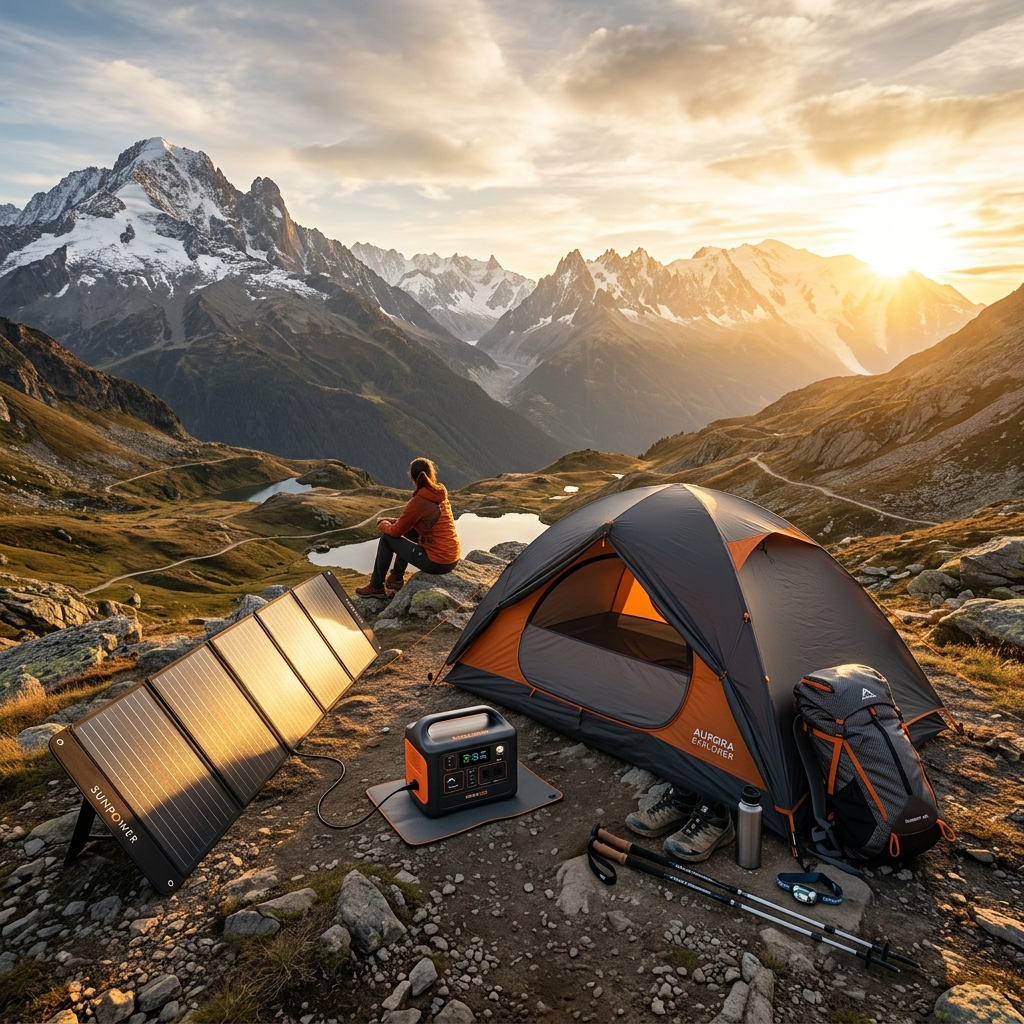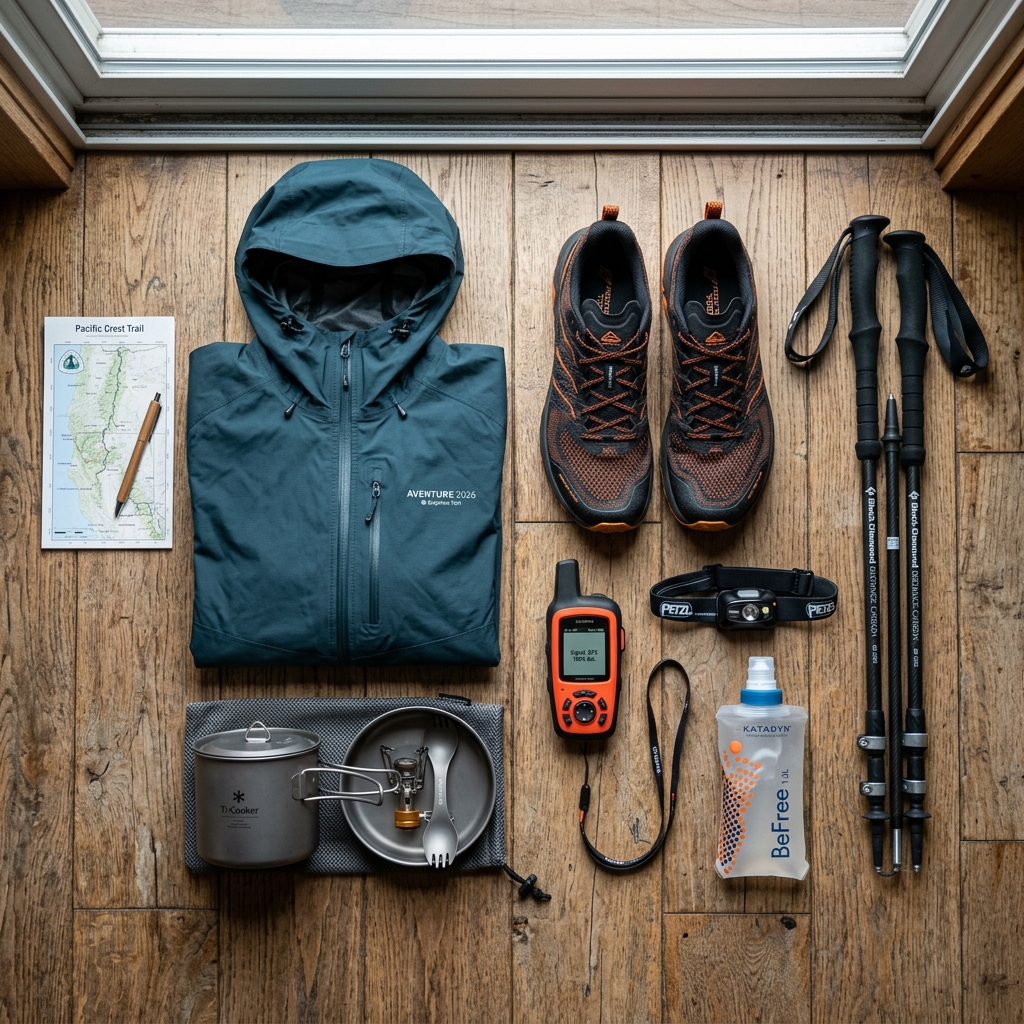
There is something deeply satisfying about disconnecting from the digital world, stepping into the wilderness, and testing yourself against the raw beauty of nature. But here is the quiet truth about modern adventure in 2026: disconnecting from civilization does not mean disconnecting from power. In fact, the most exciting revolution in the outdoor industry this year is not a new trail or a new national park—it is the technology that allows you to go further, stay longer, and live more comfortably in the backcountry than at any point in human history.
The outdoor gear landscape of 2026 is defined by three converging forces: radical material science that makes gear lighter and tougher than ever before, portable power stations that have matured from clunky novelties into sleek, indispensable energy hubs, and a growing “work-from-anywhere” culture that blurs the line between a weekend camping trip and a productive workweek in the wild. Whether you are a thru-hiker counting every gram, an overlander building out a vehicle-based basecamp, or a remote professional who wants to take Monday morning meetings from a lakeside campsite, this guide covers the innovations, the gear, and the practical advice you need for 2026.
1. The Material Revolution: Lighter, Tougher, and Greener Than Ever
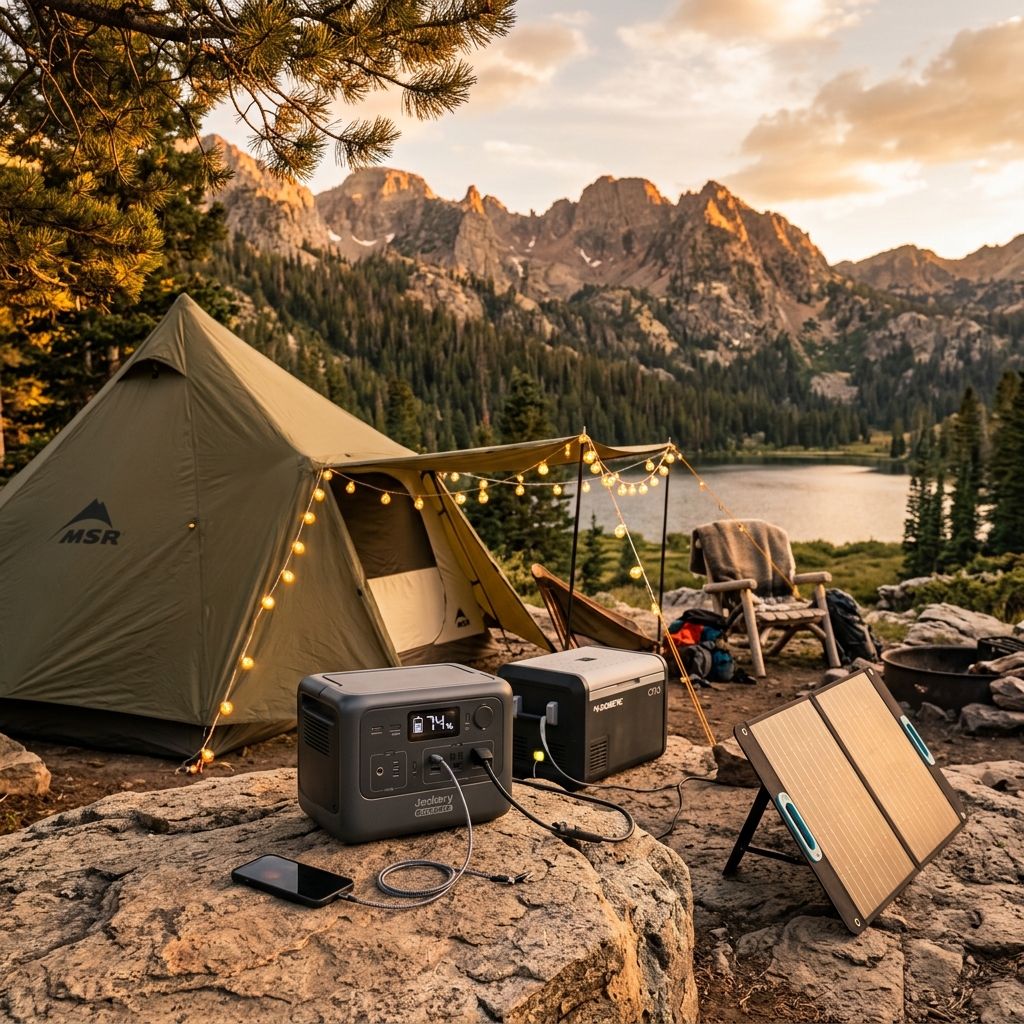
If you picked up a high-end hiking jacket from 2020 and compared it to a 2026 model of similar price, you would be holding two fundamentally different products. The fabric science behind outdoor gear has undergone a generational leap. The goal is no longer simply “waterproof and breathable”—it is about creating adaptive, intelligent materials that respond to your body and the environment in real-time.
Graphene-Infused Composites
Graphene—a single layer of carbon atoms arranged in a hexagonal lattice—has moved from laboratory curiosity to mainstream outdoor application. In 2026, leading manufacturers are weaving graphene fibers into jacket shells, tent fabrics, and even backpack frames. The results are remarkable:
- Strength-to-Weight Ratio: Graphene-infused fabrics are up to 200 times stronger than steel by weight, allowing manufacturers to use thinner materials without sacrificing durability. A hardshell jacket that weighed 450 grams in 2022 now weighs under 280 grams while offering superior tear resistance.
- Thermal Conductivity: Graphene naturally distributes heat evenly across a surface. In a jacket lining, this means body heat is spread uniformly rather than creating hot spots and cold spots, resulting in a more comfortable and thermally efficient layer.
- Antibacterial Properties: Graphene naturally inhibits bacterial growth, meaning your base layers and socks stay fresher for longer on multi-day trips—a genuine quality-of-life improvement on the trail.
Bio-Synthetic Fabrics and PFC-Free Waterproofing
The sustainability conversation in outdoor gear has matured beyond simple “made from recycled bottles” messaging. In 2026, the industry is pioneering genuinely novel bio-synthetic materials:
- Mycelium Membranes: Several brands are now using membranes grown from mycelium (the root structure of mushrooms) as a natural, biodegradable waterproofing layer. These membranes offer comparable waterproofing to traditional ePTFE but decompose naturally at end-of-life.
- Sugar-Cane Polyamides: Nylon derived from sugar cane rather than petroleum is now commercially available in outdoor apparel, significantly reducing the carbon footprint of production.
- PFC/PFAS-Free DWR: The complete elimination of “forever chemicals” (PFAS) from Durable Water Repellent coatings is the gold standard of 2026. New silicone-based and plant-wax DWR treatments deliver excellent water beading without the environmental and health risks associated with traditional fluorocarbon coatings.
Phase Change Materials (PCM): Clothing That Thinks
Perhaps the most exciting wearable innovation is the integration of Phase Change Materials into active layers. PCM microcapsules are embedded directly into the fabric. When your body temperature rises during a steep climb, these capsules absorb excess heat and effectively “melt,” cooling you down. When you stop and rest, the capsules release that stored heat back into the fabric, warming you up. It is essentially a built-in thermostat for your clothing—no batteries, no electronics, just material science doing the heavy lifting.
2. Portable Power Stations: The Beating Heart of the Modern Campsite
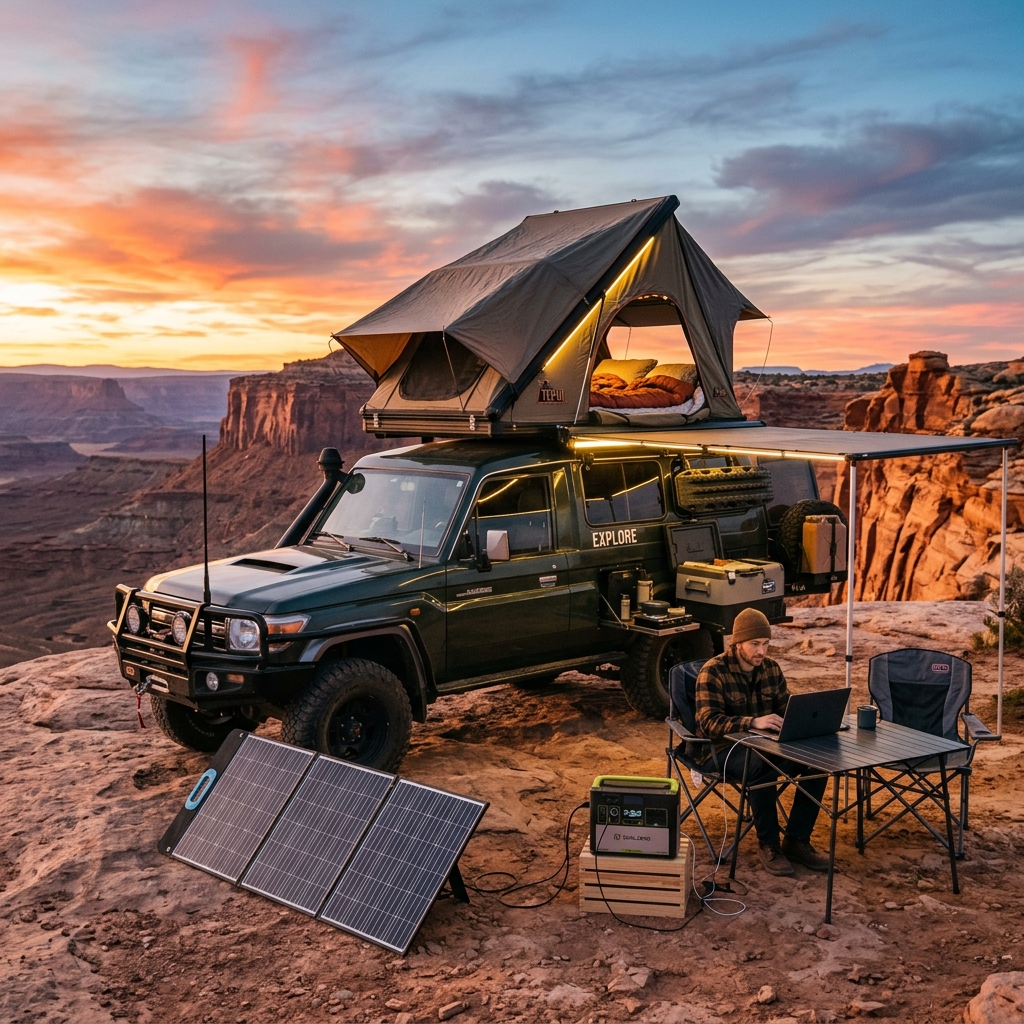
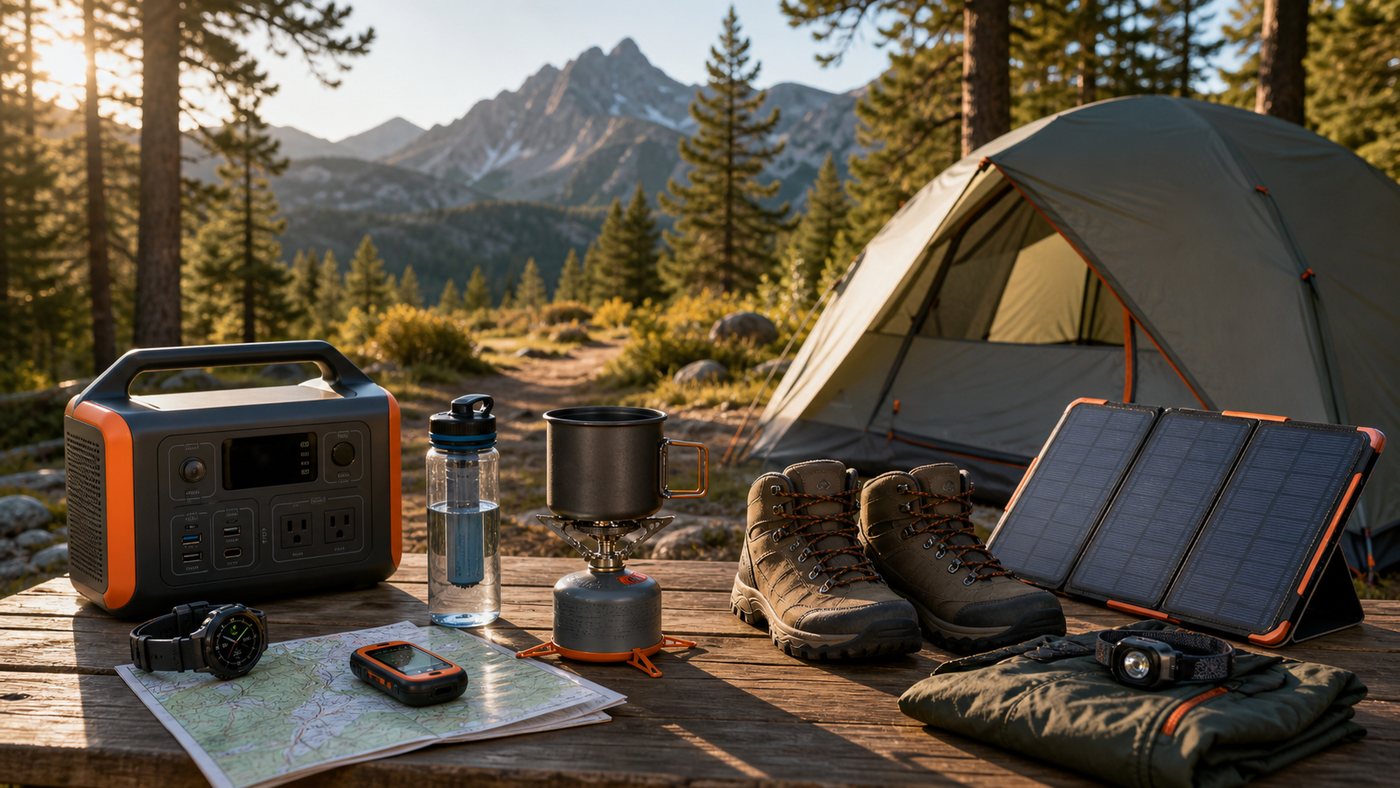
If adventure gear has had a material revolution, portable power stations have had a complete identity transformation. In 2026, these devices are no longer a niche product for preppers and tech enthusiasts. They are the central nervous system of any serious outdoor setup—powering everything from camping fridges and drone batteries to laptops, CPAP machines, and espresso makers.
The LiFePO4 Standard
The battery chemistry wars are effectively over. Lithium Iron Phosphate (LiFePO4) has won decisively and is now the industry standard for portable power stations. Here is why this matters to you as a buyer:
| Feature |
LiFePO4 (2026 Standard) |
NMC Li-Ion (Older Gen) |
| Lifespan |
3,000 – 6,000+ charge cycles (roughly 10+ years of daily use) |
500 – 1,000 cycles |
| Safety |
Extremely stable; virtually no risk of thermal runaway |
Higher risk under extreme heat or damage |
| Weight |
Slightly heavier per Wh, but rapidly improving |
Lighter per Wh |
| Charging Speed |
Full charge in under 60 minutes (wall outlet) |
Typically 2–4 hours |
| Operating Temp |
Performs well in a wider temperature range |
Degrades faster in extreme cold or heat |
The practical takeaway: a LiFePO4 power station you buy today will likely outlast the vehicle you drive to the campsite. The investment horizon is measured in decades, not years.
Hyper-Fast Charging and Solar Efficiency
The charging speeds of 2026 power stations are genuinely astonishing. Top-tier models from brands like Anker, EcoFlow, and Jackery can achieve a full charge from a wall outlet in under 60 minutes. Some units hit 80% capacity in as little as 45 minutes. This completely changes the logistics of trip planning: you can plug in your station while packing the car and have a full battery before the trunk is loaded.
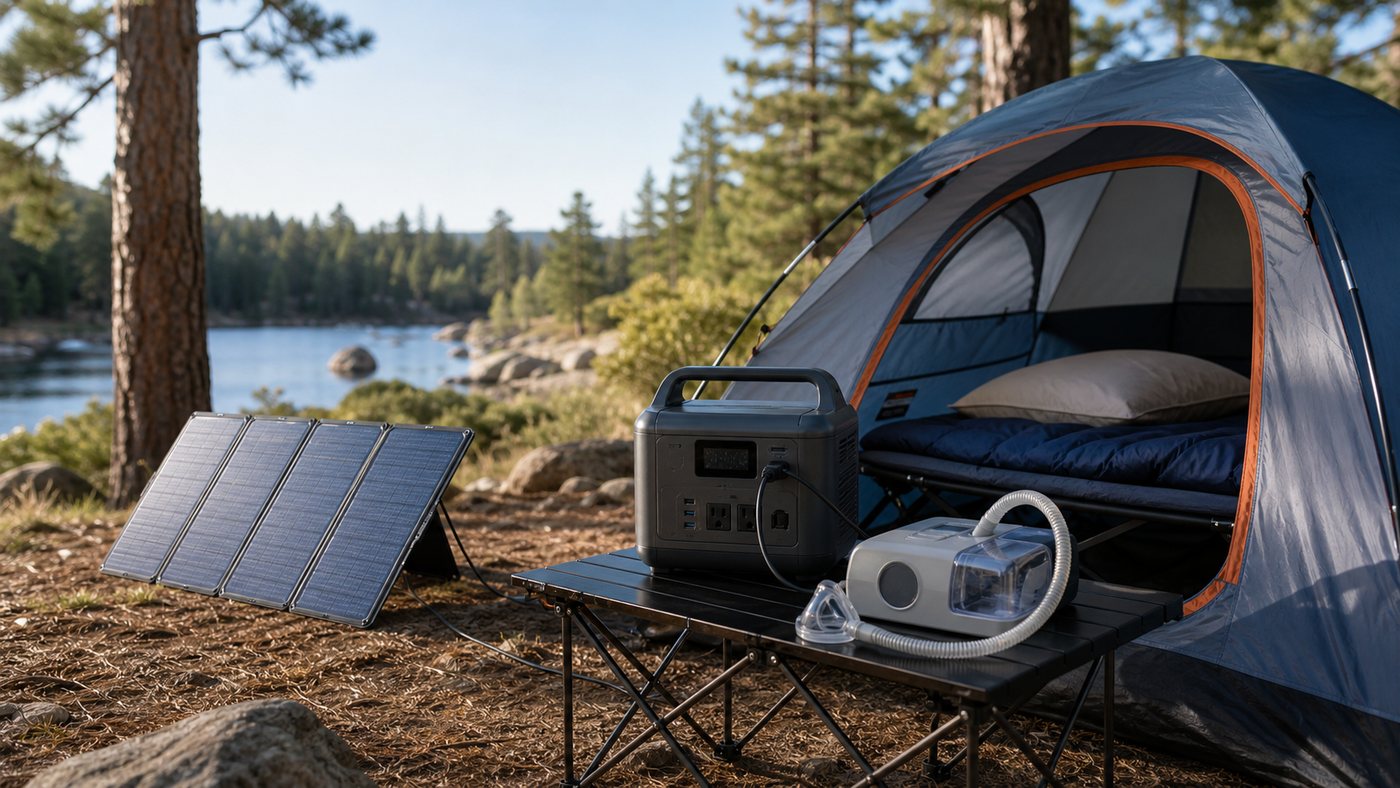
Solar charging has also taken a massive leap forward. Dual MPPT (Maximum Power Point Tracking) solar controllers are now standard in mid-range and premium stations. These controllers independently optimize the energy harvest from two separate strings of solar panels, meaning your station charges efficiently even when one panel is partially shaded by a tree or angled differently. With 200W–400W portable solar panels now commonly available and foldable into a briefcase-sized package, achieving a full solar recharge in 4–6 hours of direct sunlight is entirely realistic.
Right-Sizing Your Power: A Practical Guide
One of the biggest mistakes first-time buyers make is over-buying capacity. A 3,000Wh beast is overkill for a weekend car camping trip and a genuine burden for anyone who needs to carry their power. Here is a practical breakdown:
Weekend Car Camping (1–3 nights):
Recommended: 500Wh – 1,000Wh
Powers: Phone charging, LED camp lights, a small Bluetooth speaker, a portable fan, and a drone battery. Enough for the essentials without carrying unnecessary weight.
Extended Basecamp or Family Camping (4–7 nights):
Recommended: 1,000Wh – 2,000Wh
Powers: A 12V camping fridge, multiple device charging, a laptop for evening entertainment or remote work, a CPAP machine, and LED string lights. Pair with a 200W solar panel for daily top-ups.
Overlanding / Off-Grid Living / Home Backup:
Recommended: 2,000Wh – 5,000Wh+
Powers: A full-size portable fridge, an induction cooktop, a coffee maker, multiple laptops and monitors, power tools, and high-draw medical devices. Expandable battery modules allow you to scale capacity as needed.
3. The Overlanding and Work-From-Anywhere Revolution

The explosion of overlanding culture in 2026 represents the ultimate convergence of outdoor adventure, portable power, and remote work technology. The modern overlander is not simply driving to a campground; they are building a self-sufficient, mobile basecamp that can operate independently for days or even weeks at a time.
The Mobile Office in the Wild
With the stabilization of hybrid and remote work models globally, a growing community of professionals are taking their offices on the road—literally. A well-equipped overlanding rig in 2026 includes:
- Satellite Internet (Starlink Mini / Competitors): Compact, vehicle-mountable satellite dishes now provide reliable broadband internet in locations that have zero cellular coverage. This single technology has transformed remote mountaintops and desert mesas into viable workspaces.
- Portable Power Station (2,000Wh+): The power backbone that keeps the satellite dish, laptop, monitor, and router running throughout the workday, replenished daily by solar panels.
- Smart Power Management: App-controlled power stations allow the overlander to monitor real-time energy consumption on their phone, set charging schedules to align with peak solar hours, and receive low-battery alerts before reaching critical levels.
Satellite Communication and Safety
Beyond internet access, satellite communication has become a non-negotiable safety tool for any serious outdoor adventurer. In 2026, devices like the Garmin inReach and Apple’s satellite SOS features have been joined by a new generation of compact, affordable satellite messengers that offer:
- Two-Way Messaging: Send and receive text messages from anywhere on Earth, even in deep canyons or dense forests.
- Live GPS Tracking: Share your real-time location with family or an emergency response center.
- Weather Forecasting: Receive localized, detailed weather forecasts directly to the device, critical for planning mountain summit attempts or river crossings.
- SOS Integration: One-button emergency SOS that coordinates with professional search and rescue services globally.
Digital Product Passports: Trust, Not Greenwashing
A fascinating and highly welcome trend in 2026 is the rise of the Digital Product Passport (DPP). Embedded as an NFC chip or QR code in the product itself, a DPP allows you to scan your jacket, tent, or backpack with your phone and instantly access its complete supply chain history: where the raw materials were sourced, where the fabric was woven, what factory assembled the product, and its verified environmental certifications. This is a direct response to years of vague “eco-friendly” marketing claims and represents a genuine step toward radical transparency in the outdoor industry.
4. Smart Gear and Connected Safety Systems
The integration of smart technology into outdoor gear in 2026 is subtle, practical, and genuinely useful—a far cry from the gimmicky “smart water bottles” of earlier years. The focus is on technology that directly enhances safety, reduces decision fatigue, and extends your range in the backcountry.
UV and Biometric Monitoring
Modern outdoor watches and wearable sensors now provide real-time UV index monitoring calibrated to your specific skin type and altitude. At elevation, UV radiation can be dramatically more intense than at sea level, and prolonged exposure without awareness is a real risk. When your UV dose reaches a predetermined threshold, the device sends a gentle alert to apply sunscreen or seek shade—simple, but incredibly effective for preventing long-term skin damage during multi-day alpine treks.
Inflatable and Rapid-Deploy Shelters
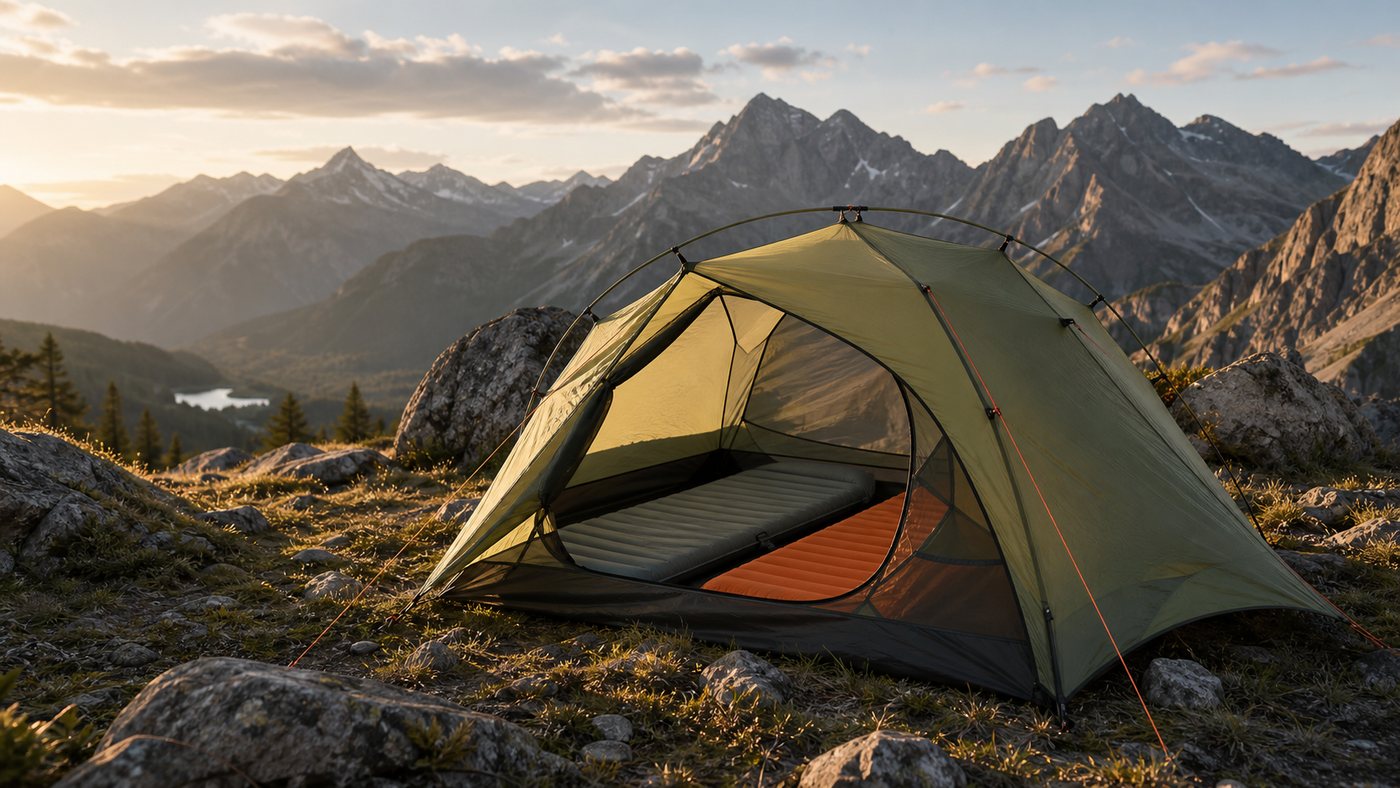
Tent design has seen a quiet revolution. The traditional tent pole, which required careful threading, bending, and clipping, is being challenged by inflatable beam technology. Modern inflatable tents use high-pressure air chambers as structural supports. You pump them up with a compact hand pump or an electric pump powered by your portable power station, and the tent is standing in under two minutes. The beams are surprisingly rigid and handle wind loads effectively. For car campers and families, this eliminates one of the most frustrating aspects of camping setup.
Advanced Water Filtration
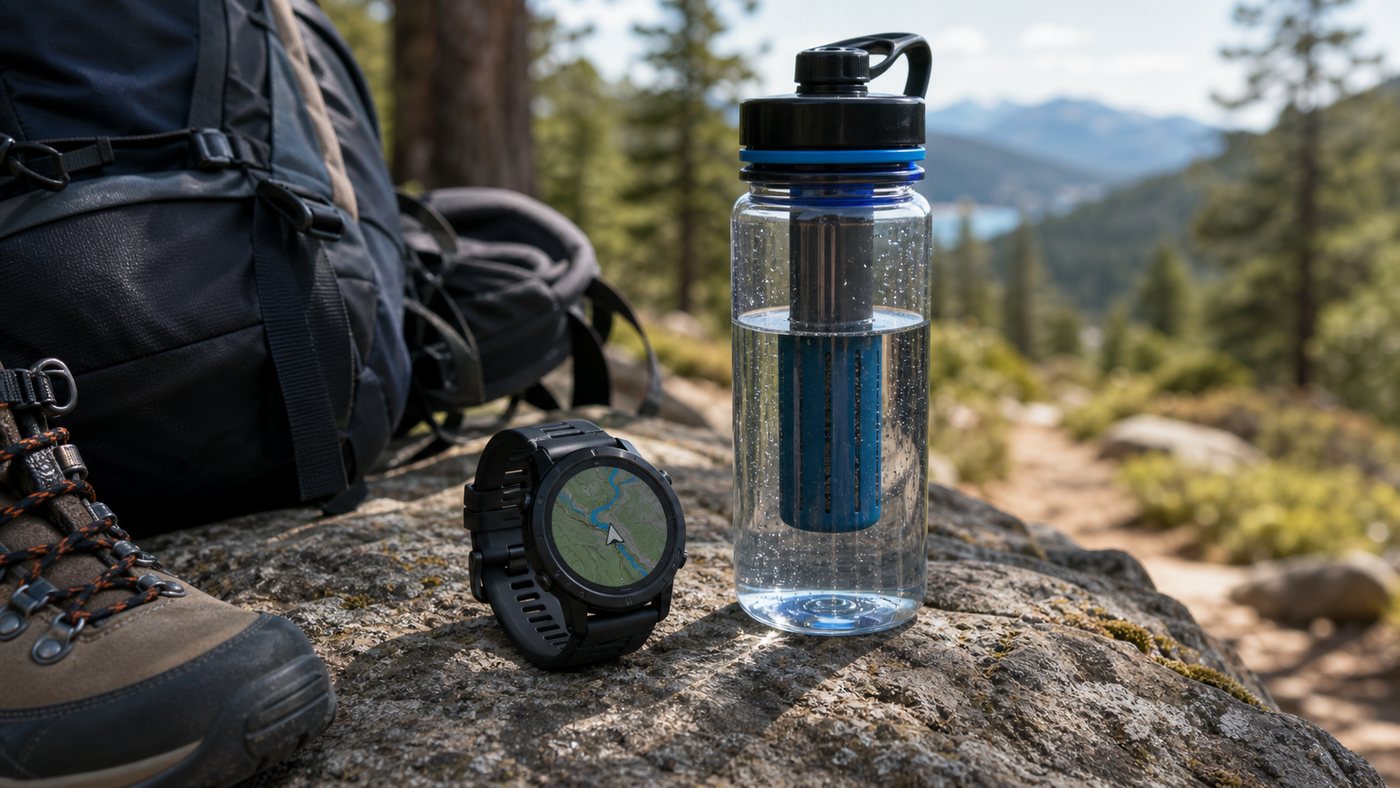
Water filtration in 2026 has moved beyond basic pump filters. Gravity-fed systems with hollow-fiber membranes and activated carbon now remove not only bacteria and protozoa but also viruses, heavy metals, and microplastics from virtually any water source. Some systems incorporate UV-C LED sterilization powered by a small rechargeable battery, offering hospital-grade water purification in a package that weighs under 300 grams. For thru-hikers and remote travelers, this means you can confidently drink from almost any stream or lake you encounter.
5. Your 2026 Adventure Kit: A Practical Buying Framework
With so many innovations hitting the market simultaneously, building your adventure kit can feel overwhelming. Here is a structured framework to help you prioritize your purchases based on the type of adventures you pursue most often:
For the Ultralight Backpacker
- Priority 1: A graphene-infused hardshell jacket under 300g with PFC-free DWR.
- Priority 2: 3D-knit trail running shoes with a Vibram outsole for fast-and-light hiking.
- Priority 3: A compact satellite communicator (under 100g) for safety.
- Power: A small 300Wh–500Wh power bank is sufficient. Focus on weight savings.
For the Car Camper / Family Adventurer
- Priority 1: A 1,000Wh–1,500Wh LiFePO4 power station paired with a 200W foldable solar panel.
- Priority 2: An inflatable tent for frustration-free setup and teardown.
- Priority 3: A 12V camping fridge (powered by your station) to replace the messy, ice-melting cooler forever.
- Power: This is your core investment. A quality power station transforms the comfort level of every trip.
For the Overlander / Digital Nomad
- Priority 1: A 2,000Wh+ expandable power station with dual MPPT solar input, paired with 400W+ of solar panels.
- Priority 2: A vehicle-mounted satellite internet terminal for reliable remote work connectivity.
- Priority 3: A modular roof rack and storage system for organized, weather-resistant gear management.
- Power: This is your lifeline. Budget accordingly—your power station is arguably the most important piece of equipment you own.
Conclusion: Adventure Without Compromise
The outdoor industry in 2026 has answered a question that adventurers have been asking for decades: Can I have the freedom of the wilderness without sacrificing the comforts and connectivity of modern life? The answer, for the first time, is a resounding yes.
Graphene jackets keep you warm and light. Bio-synthetic fabrics protect you without poisoning the planet. Portable power stations give you the energy to run a campsite fridge, charge a drone, and even host a video call from a mountaintop—all powered by the sun. And satellite communicators ensure that no matter how far off the grid you roam, help is always one button press away.
The key to building your 2026 adventure kit is to start with the foundation—reliable power and reliable connectivity—and layer the specialized gear on top based on your personal adventure style. Invest wisely, buy gear that lasts a decade, and get out there. The mountains are waiting, and they have never been more accessible.