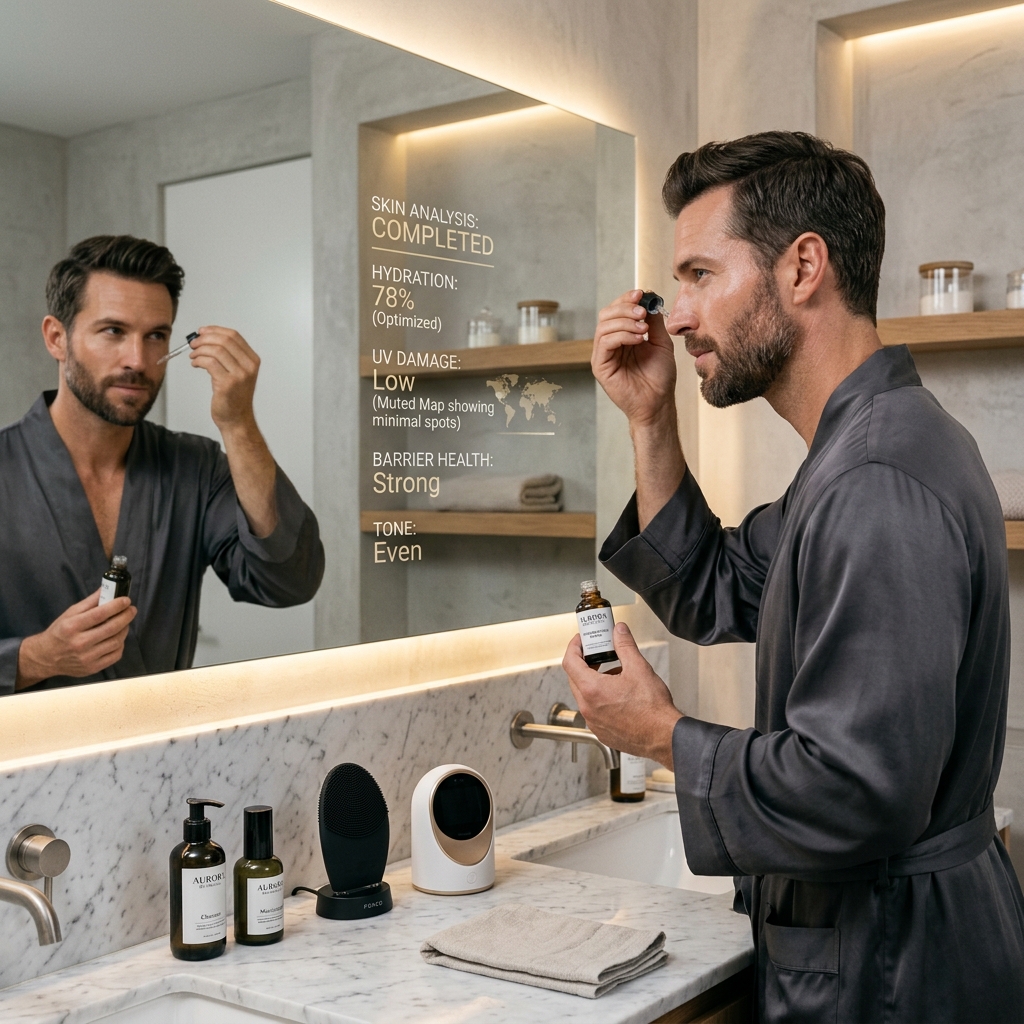
Let’s be honest — the phrase “men’s beauty routine” would have made a lot of guys laugh or squirm not too long ago. But in 2026, that conversation has quietly become one of the most relevant and financially significant shifts in the global consumer market. The men’s grooming and personal care industry is now worth well over $100 billion worldwide, and it is growing fast. More importantly, the men driving this growth are not chasing vanity. They are investing in confidence, health, and self-respect.
What has changed is the conversation itself. Modern men are treating skincare the same way they treat fitness or nutrition — as a fundamental part of performing at their best, both professionally and personally. And the products available to them in 2026 are, frankly, remarkable. From AI-powered skin diagnostic tools and microbiome-balancing serums to ultra-sustainable solid-format grooming kits, the options are better, smarter, and more results-driven than any previous generation has had access to.
This article covers the major trends, innovations, and practical advice shaping men’s beauty and personal care in 2026. Whether you are just starting a skincare routine, looking to upgrade your grooming toolkit, or simply curious about where the industry is heading, this guide has what you need.
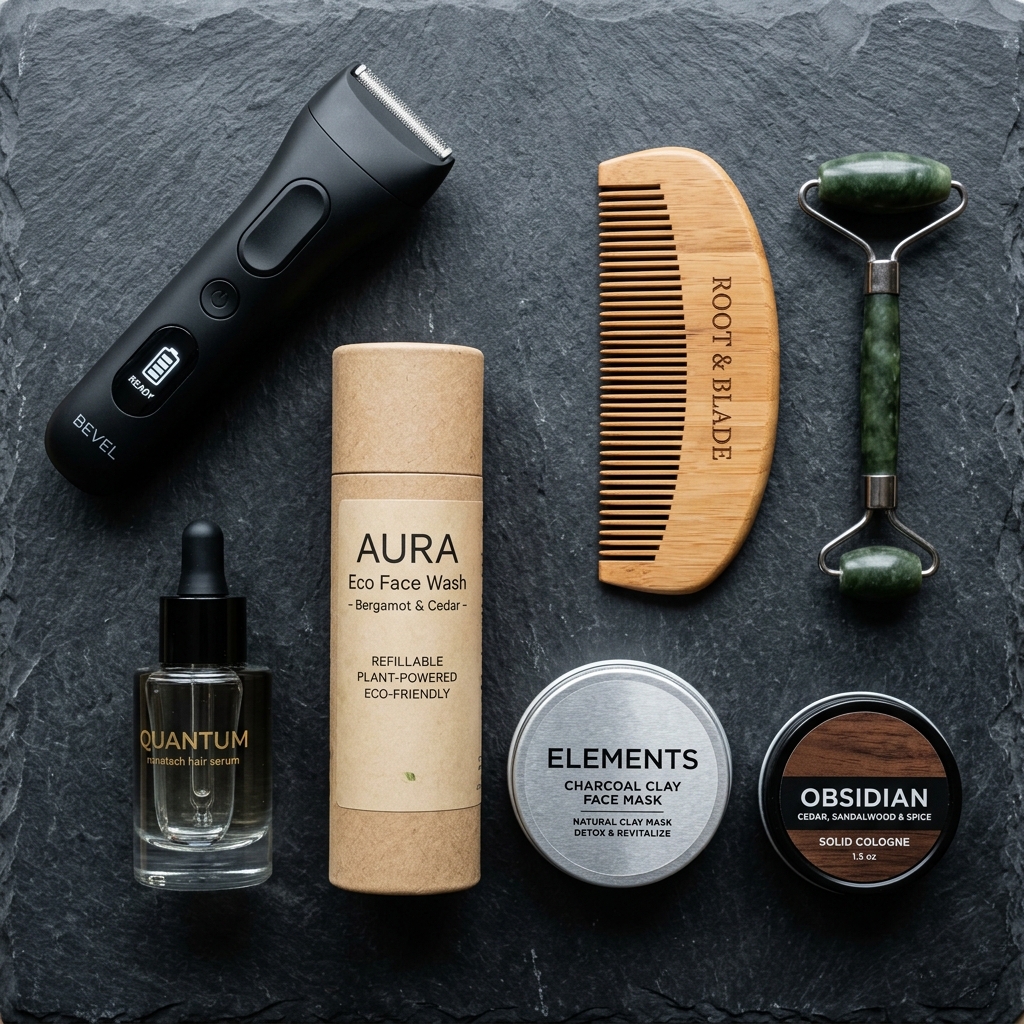
1. The “Skinimalism” Revolution: Less Product, More Science
One of the defining philosophies in men’s personal care in 2026 is skinimalism — the art of doing less, but doing it better. The era of overcrowded bathroom shelves stacked with a dozen single-purpose products is fading. Modern men are gravitating toward streamlined routines built around a small number of high-performance, multifunctional products that actually deliver measurable results.
This is not minimalism for the sake of it. It is a scientifically driven recognition that over-cleansing, over-exfoliating, and layering too many active ingredients can actually harm the skin barrier rather than help it. The industry has responded by developing products that do the heavy lifting of an entire routine in a single, elegant formula.
What Multifunctional Actually Means in 2026
A well-formulated “all-in-one” product today might simultaneously deliver:
- Hydration: Hyaluronic acid or next-generation polyglutamic acid to draw and lock in moisture without greasiness.
- Sun Protection: Lightweight SPF 30–50 that feels like a serum, not a sunblock — finally cracking the longstanding barrier to daily sun protection among men.
- Oil Control: Niacinamide or rice extract to regulate sebum, keeping skin matte throughout the day without stripping it dry.
- Urban Defense: Pollution-neutralizing antioxidants like resveratrol, vitamin C, and bakuchiol that fight free radical damage from city air and blue light from screens.
- Anti-Aging: Peptide complexes that support collagen synthesis, addressing fine lines and loss of firmness without aggressive retinoids that can irritate sensitive skin.
The practical result? A morning routine that takes under three minutes but delivers the cumulative benefit of what used to require five separate products.
2. The Microbiome: The Science Behind Skin Health You Actually Need to Know
If there is one piece of skin science that every man should understand in 2026, it is the concept of the skin microbiome. Your skin is not just a barrier — it is a living ecosystem inhabited by trillions of bacteria, fungi, and other microorganisms. When this ecosystem is balanced, skin is resilient, calm, and naturally protected. When it is disrupted — by harsh surfactants, aggressive exfoliants, or overuse of antimicrobial ingredients — skin becomes inflamed, oily, dry, or prone to breakouts.
The leading skincare brands of 2026 have built their entire product philosophy around protecting and enhancing this ecosystem rather than disrupting it. The key ingredients you will increasingly see in men’s grooming products are:
| Ingredient Type |
What It Does |
Why Men Should Care |
| Prebiotics |
Feed beneficial bacteria on the skin’s surface |
Keeps the microbiome ecosystem balanced and reduces redness |
| Probiotics |
Introduce beneficial live microbial cultures to the skin |
Calms inflammation, particularly useful post-shave |
| Postbiotics |
Stabilized byproducts of fermentation (e.g., lactobacillus ferment) |
Strengthens skin barrier, longest-lasting and most stable of the three |
Research in 2026 is also exploring the fascinating “skin-brain axis” — the connection between specific microbial balances on the skin and psychological well-being. Early findings suggest that a healthy skin microbiome may correlate with reduced cortisol (stress hormone) levels and improved mood, linking skincare to mental wellness in a genuinely scientific way.
3. AI-Powered Grooming: Technology That Actually Earns Its Place

Artificial intelligence has arrived in the men’s grooming aisle — and for once, the technology genuinely justifies the hype. In 2026, AI is doing real work in three distinct areas of men’s personal care: skin diagnostics, smart grooming devices, and personalized product recommendations.
AI Skin Diagnostics: Your Personal Dermatologist in Your Phone
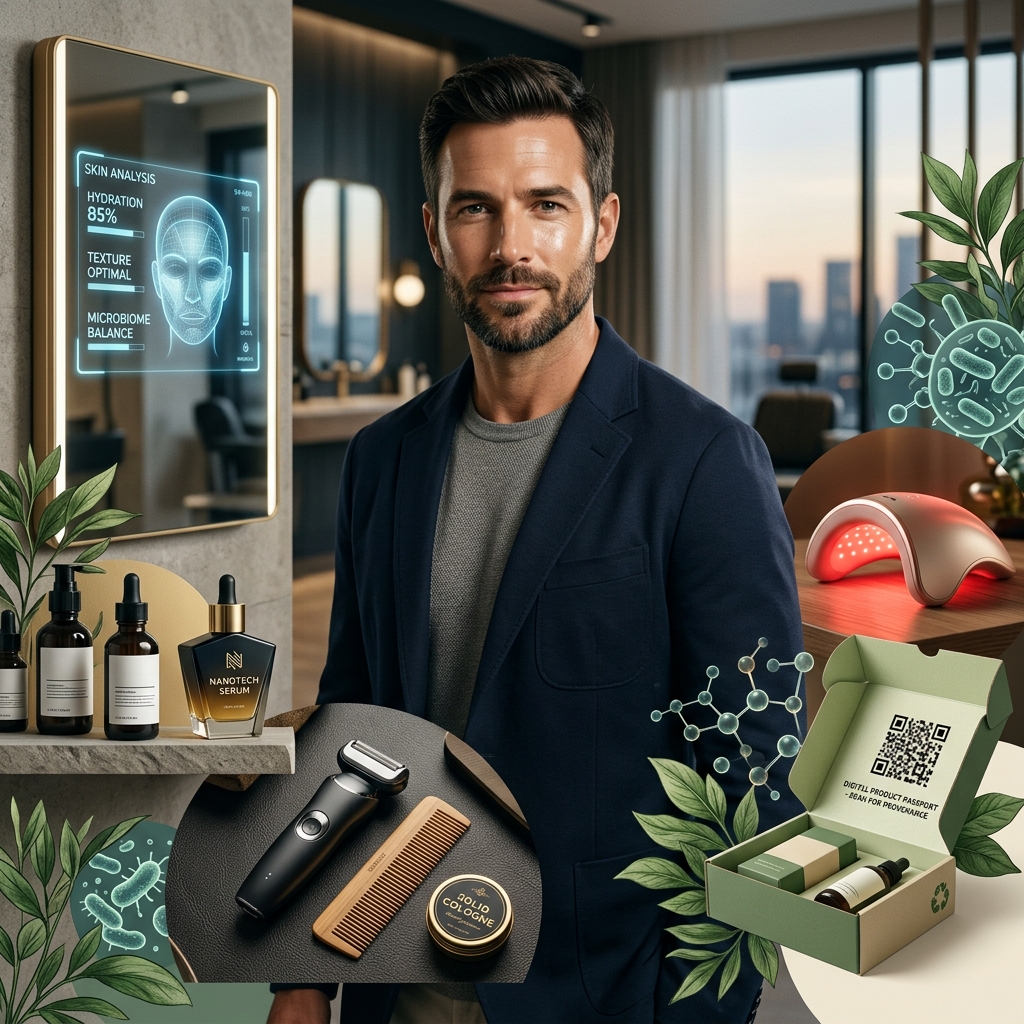
Advanced AI imaging tools — some available as smartphone apps, others integrated into smart bathroom mirrors — can now analyze eleven or more skin attributes using a combination of visible light, UV fluorescence, and infrared imaging. In a matter of seconds, the system builds a detailed “digital skin map” showing:
- Hydration levels across different facial zones
- UV damage and hyperpigmentation below the surface (not yet visible to the naked eye)
- Pore size, congestion, and distribution
- Skin texture uniformity and firmness gradient
- Signs of early chronic inflammation
Based on this data, the AI generates a personalized routine recommendation — not based on your age and “skin type” in the old oversimplified sense, but based on the actual measurable condition of your skin on a given day. This is a genuinely transformative shift from one-size-fits-all product marketing to precision-calibrated personal care.
Smart Grooming Devices: Tools That Think for You
The smart razor of 2026 is almost incomprehensibly different from its predecessors. Devices equipped with sensor arrays and real-time adaptive technology can:
- Adjust Motor Speed and Blade Tension: Based on the density and direction of your beard in real-time, preventing tugging on thick patches and reducing razor burn on sensitive areas.
- Apply Optimal Pressure: Haptic feedback systems alert you when you are pressing too hard, significantly reducing nicks, ingrown hairs, and post-shave irritation.
- Track Your Grooming Habits: Via a paired app, logging how your skin responds over time and recommending adjustments to technique or shaving frequency.
- Self-Cleaning and Self-Lubricating: Reducing maintenance and ensuring hygienic operation with every use.
For hair care, AI-integrated scalp devices use photobiomodulation (red and near-infrared light therapy) to stimulate hair follicle activity and deliver targeted heat to the scalp at clinically optimized wavelengths. The result: improved hair density and scalp health, administered in a fifteen-minute home session a few times a week.
4. Hair and Scalp Care: The Frontier Men Are Finally Paying Attention To
Hair care for men has historically been an afterthought — a quick shampoo and a blob of whatever gel was on sale. In 2026, this has changed dramatically. As men become more aware of the connection between scalp health and hair quality, and as the scientific community produces increasingly strong evidence for various interventions, the men’s haircare market has expanded significantly.
Scalp-First Philosophy
The new understanding is simple: healthy hair begins at the scalp. A congested, inflamed, or poorly balanced scalp environment will inevitably produce weaker, duller, and more thinning hair over time. The 2026 approach to hair care starts with the scalp as the primary target, with hair quality as the natural outcome.
Products and treatments now include:
- Microbiome-Balancing Scalp Serums: Prebiotic and postbiotic formulas that maintain a healthy scalp flora, reducing dandruff and flaking without the harsh antifungal chemicals that can cause dryness and rebound oiliness.
- Nanotech Active Delivery: Nanoencapsulated active ingredients (such as minoxidil, peptides, or caffeine) that penetrate the scalp’s surface barrier to reach hair follicles directly — dramatically improving efficacy compared to traditional topical application.
- Growth-Supporting Nutraceuticals: Supplement routines combining clinically studied ingredients (biotin, saw palmetto, keratin peptides, and specific zinc formulations) are now standard companion products to topical hair treatments.
Haircut and Style Trends: Natural, Effortless, and Precise
On the aesthetic side, the dominant hair trend of 2026 is natural texture with sharp precision. Men are moving away from the heavy pomade looks of the early 2020s in favor of styles that honor their natural hair movement — whether that means waves, curls, or straight strands — while maintaining crisp, clean lines at the nape and temples. The styling products enabling this look are:
- Sea Salt Sprays: Lightweight, non-sticky texture enhancers that add natural-looking volume and movement.
- Matte Clay and Fiber Pastes: Medium-hold, zero-shine finishes that look like you have well-groomed, naturally healthy hair rather than styled hair.
- Washable Color Deposits: Tinted styling creams that subtly enhance or deepen natural hair color, adding dimension without commitment — a trend driven by younger men and increasingly adopted across age groups.
5. Sustainable Grooming: The Shift to Eco-Intelligent Products

Sustainability in personal care is no longer a niche concern or a marketing buzzword — it is a purchasing criterion for a growing majority of consumers, including men. In 2026, the eco-intelligent grooming movement has matured from “we use some recycled plastic” to genuinely innovative, system-level solutions.
Solid Format Products: The Future of the Bathroom
The most impactful sustainability innovation in men’s personal care is the widespread mainstream adoption of solid-format products. What began as a niche natural-beauty trend has become fully engineered, high-performance technology:
- Solid Shampoo Bars: Concentrated bars that last two to three times longer than an equivalent liquid bottle. Modern formulations are as effective as premium salon shampoos, sulfate-free, and available for all hair types including oily, dry, and color-treated.
- Solid Face Wash Bars: Gentle, pH-balanced cleansing bars with microbiome-friendly surfactants. Nothing like the harsh soaps of decades past — these are effective cleansers that protect the skin barrier.
- Solid Cologne: Alcohol-free wax or balm-format fragrances that apply directly to pulse points, last for hours, and eliminate the alcohol and aerosol propellant of traditional spray colognes. A genuinely compelling innovation for the travel-conscious man.
- Solid Moisturizer Sticks: Compact, melt-on-contact formulas in twist-up packaging — zero plastic waste, zero pump mechanism, and perfectly portable for gym bags and carry-on luggage.
Refill Systems and Digital Product Passports
For those who prefer liquid formulations, 2026 has brought a significant infrastructure improvement: brand-operated refill stations in select retailers, allowing customers to bring their aluminum or glass bottles and refill them with premium formulas at a lower cost. Some brands also use subscription refill pouches — thin mylar sachets with near-zero environmental footprint.
An exciting emerging technology is the Digital Product Passport (DPP) — an NFC chip or QR code embedded in the product packaging that allows you to instantly verify the product’s complete sustainability credentials: ingredient sourcing, carbon footprint of production, and end-of-life disposal instructions. This technology is a direct counter to vague “eco-friendly” marketing claims and represents a new era of radical transparency in personal care.
6. Wellness Integration: When Personal Care Becomes Self-Care
Perhaps the most culturally significant shift in men’s personal care in 2026 is the full integration of grooming with broader wellness practices. The boundary between “grooming” and “wellbeing” has effectively dissolved for a growing cohort of men who understand that how they look and how they feel are deeply interconnected.
Fragrance as Mood Management
The fine fragrance market for men has evolved well beyond “smelling good for someone else.” In 2026, men are selecting fragrances based on their psychoactive properties — their capacity to influence mood, focus, energy, or calm. Aromachology, the scientific study of how olfactory stimuli affect psychology, is now a legitimate input in fragrance development:
- Focus Blends: Cedarwood, vetiver, and black pepper combinations to improve concentration during deep work sessions.
- Stress Relief Blends: Bergamot, lavender, and sandalwood to activate the parasympathetic nervous system and reduce cortisol.
- Energy Blends: Citrus-forward, mint-accented formulas that stimulate the sympathetic nervous system and improve alertness pre-workout.
Supplements for Skin and Hair: The Inside-Out Approach
The concept of “beauty from within” has moved from lifestyle magazine territory into evidence-based practice. Men are increasingly supplementing their topical routines with targeted oral formulations:
- Marine Collagen Peptides: Hydrolyzed collagen that provides the amino acid building blocks the body uses to synthesize new collagen, improving skin elasticity and firmness from the inside.
- Astaxanthin: A powerful carotenoid antioxidant with clinical evidence for reducing UV-induced skin damage and inflammation.
- Adaptogens (Ashwagandha, Rhodiola): Botanical compounds that regulate the body’s stress response, with downstream effects on cortisol-related hair loss and stress-triggered skin flare-ups.
- Omega-3 Fatty Acids: The evidence for omega-3s supporting skin barrier function, reducing inflammatory acne, and promoting scalp health is robust and well-established.
The “Tweakment” Conversation
It would be incomplete to discuss men’s beauty in 2026 without acknowledging the growing openness toward cosmetic procedures among men — what the industry calls “tweakments.” From botulinum toxin for forehead lines to hyaluronic acid filler for under-eye hollows, these minimally invasive procedures are no longer exclusively the domain of women or celebrities. The normalization is driven by younger generations, by the destigmatization of men’s wellness conversations generally, and by increasingly natural-looking results that simply make men look refreshed rather than “worked on.”
The key principle here, as with all aspects of personal care, is informed intention. These procedures are best pursued with qualified medical professionals after thorough research, and should always serve the goal of enhancing natural confidence rather than chasing an artificial ideal.
7. Building Your 2026 Men’s Grooming Routine: A Practical Starting Point
With so much innovation happening simultaneously, it can be genuinely difficult to know where to begin. Here is a practical, tiered framework based on the time you are willing to invest and the outcomes you are most interested in achieving:
⚡ The 3-Minute Man (Fundamentals Only)
- A gentle, pH-balanced face wash (morning and evening)
- A multifunctional moisturizer with SPF 30+ (morning)
- A basic lip balm with SPF
- A quality shampoo for your hair type (3–4x per week)
This alone puts you significantly ahead of most men. Consistency beats complexity every time.
🔬 The Optimized Man (Results-Focused)
- All of the above, plus:
- A targeted serum (vitamin C in the morning, niacinamide or a peptide complex in the evening)
- A weekly clay mask for deeper cleansing
- A scalp serum (applied 3x per week, left on overnight)
- An omega-3 supplement daily
Expect visible improvements in skin clarity, texture, and firmness within 8–12 weeks of consistent use.
🚀 The High-Performance Man (Full Stack)
- All of the above, plus:
- An AI skin diagnostic tool (app-based or smart mirror) to track progress and adapt routine
- A smart grooming device (electric razor with SkinIQ or equivalent)
- A red light scalp therapy device (3x per week, 15 minutes)
- A collagen peptide + adaptogen supplement stack
- A curated fragrance wardrobe (at least a focus, stress-relief, and energy option)
- Annual check-in with a dermatologist or aesthetician
This is a full wellness integration. The investment in time and money pays dividends in confidence, longevity, and performance.
Conclusion: The Modern Man Takes Care of Himself — and That Is a Strength
The most important thing to understand about men’s beauty and personal care in 2026 is that it is not about conforming to a new cultural expectation or chasing a particular aesthetic. It is about understanding that your skin, hair, and overall physical presentation are extensions of your health — and that taking care of them is an act of respect toward yourself and the people around you.
The tools available in 2026 are extraordinary. AI diagnostics that give you the clarity of a dermatologist’s assessment at home. Microbiome-balancing formulas that work with your skin’s biology rather than against it. Sustainable, solid-format products that perform as well as their liquid predecessors without the environmental cost. Smart grooming devices that eliminate the guesswork from shaving, trimming, and scalp treatment.
You do not need all of it. Start with the fundamentals — a clean face, moisturizer, SPF, and a consistent approach — and build from there based on your goals. The single most powerful principle remains the same in 2026 as it has always been: consistency beats complexity. A simple routine done every day will always outperform an elaborate routine done sporadically.
The modern man who takes care of himself is not vain. He is disciplined, informed, and clear about the fact that looking and feeling your best is not a luxury. It is a standard.