For generations, the goal of modern medicine was remarkably simple: keep people alive for as long as possible. We measured success by average life expectancy, celebrating every incremental increase in chronological years. However, this approach led to an unintended consequence—an aging population spending their final decades managing multiple chronic illnesses, cognitive decline, and physical frailty. We succeeded in extending lifespan, but we failed to protect healthspan.
In 2026, we are witnessing a profound cultural and scientific revolution. The focus has shifted decisively from “reactive sick-care” to “proactive life design.” The goal is no longer just to add years to our life, but to add vibrant, functional, and joyful life to our years. Longevity is no longer a fringe pursuit of silicon valley billionaires or a collection of unverified wellness hacks; it has matured into a rigorous, personalized science combined with a collective return to intuitive, human-centric living.
Whether you are a busy remote professional looking to sustain high energy levels, or simply someone wanting to feel your best at every stage of life, understanding the wellness landscape of 2026 is key to building a resilient body and mind. Let’s explore the major shifts, technologies, and practices defining the future of health.
1. The Biology of Longevity: Measuring and Optimizing Your Epigenetic Age
One of the most empowering shifts in modern health is the realization that your genes are not your destiny. While your DNA acts as a biological blueprint, the field of **epigenetics**—how your lifestyle and environment influence how your genes are expressed—has taken center stage in 2026. We now understand that we have direct control over the rate at which we age.
Chronological vs. Biological Age
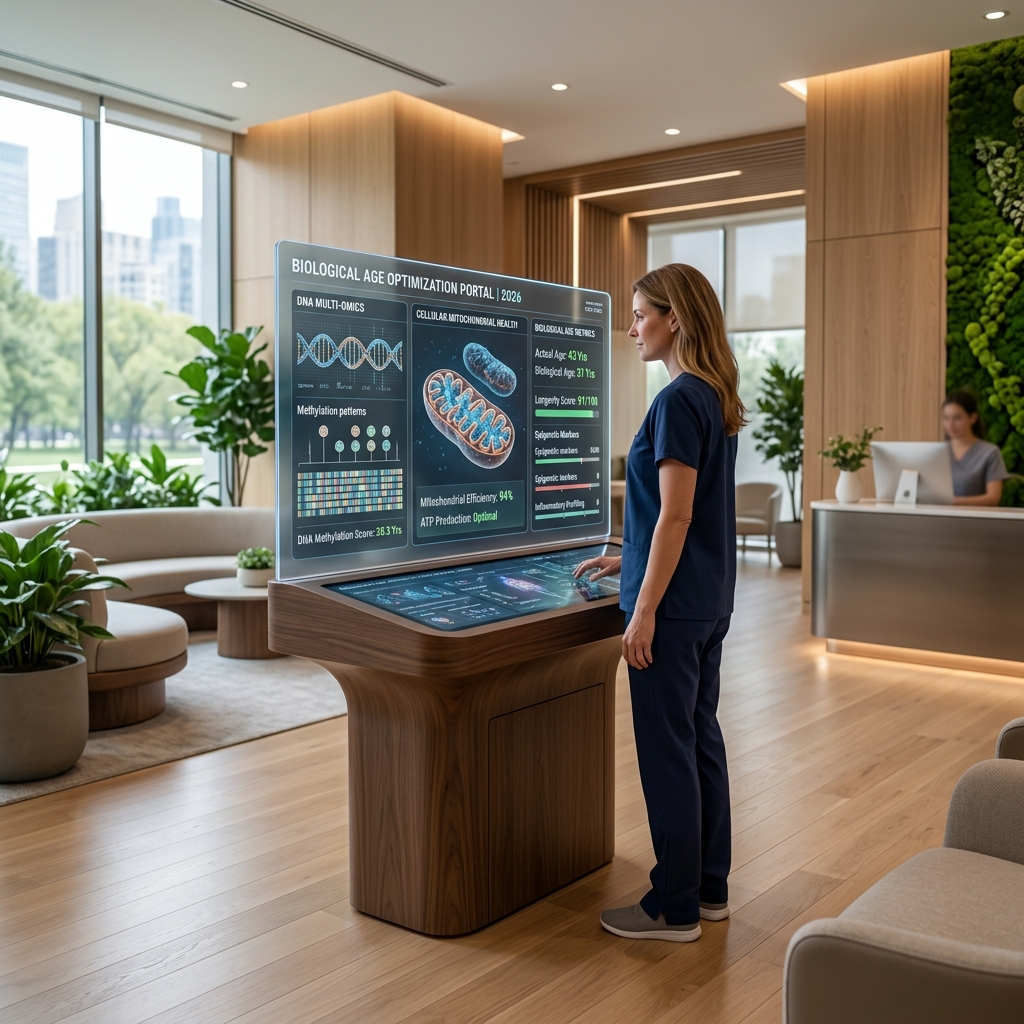
In 2026, we no longer define aging by the candles on a birthday cake. Instead, we measure **biological age**. Chronological age is simply the number of times you have traveled around the sun, while biological age measures the functional health of your cells and organs. Using advanced epigenetic clocks (which analyze DNA methylation patterns), clinicians and home-testing kits can tell you exactly how fast your body is aging on a cellular level. If you are 45 years old chronologically, but have a biological age of 38, your longevity protocols are working.
Multi-Omics: The Death of One-Size-Fits-All Advice
Generic wellness advice—like “eat less and move more”—has been replaced by extreme personalization. The medical-wellness industry in 2026 leverages **multi-omics**, which integrates three core datasets:
- Genomics: Understanding your inherited genetic predispositions, such as how your body processes specific fats, vitamins, or detoxifies environmental compounds.
- Microbiomics: Analyzing the trillions of bacteria living in your gut, which dictate everything from your immune system to your serotonin levels.
- Metabolomics: Tracking real-time chemical markers in your blood, including hormones, inflammatory proteins, and metabolic indicators.
By combining these datasets, AI-powered health platforms construct a highly specific blueprint unique to your biology, telling you exactly which foods to eat, which exercises to perform, and which specific supplements your body requires.
Mitochondrial Health and clearing “Zombie” Cells
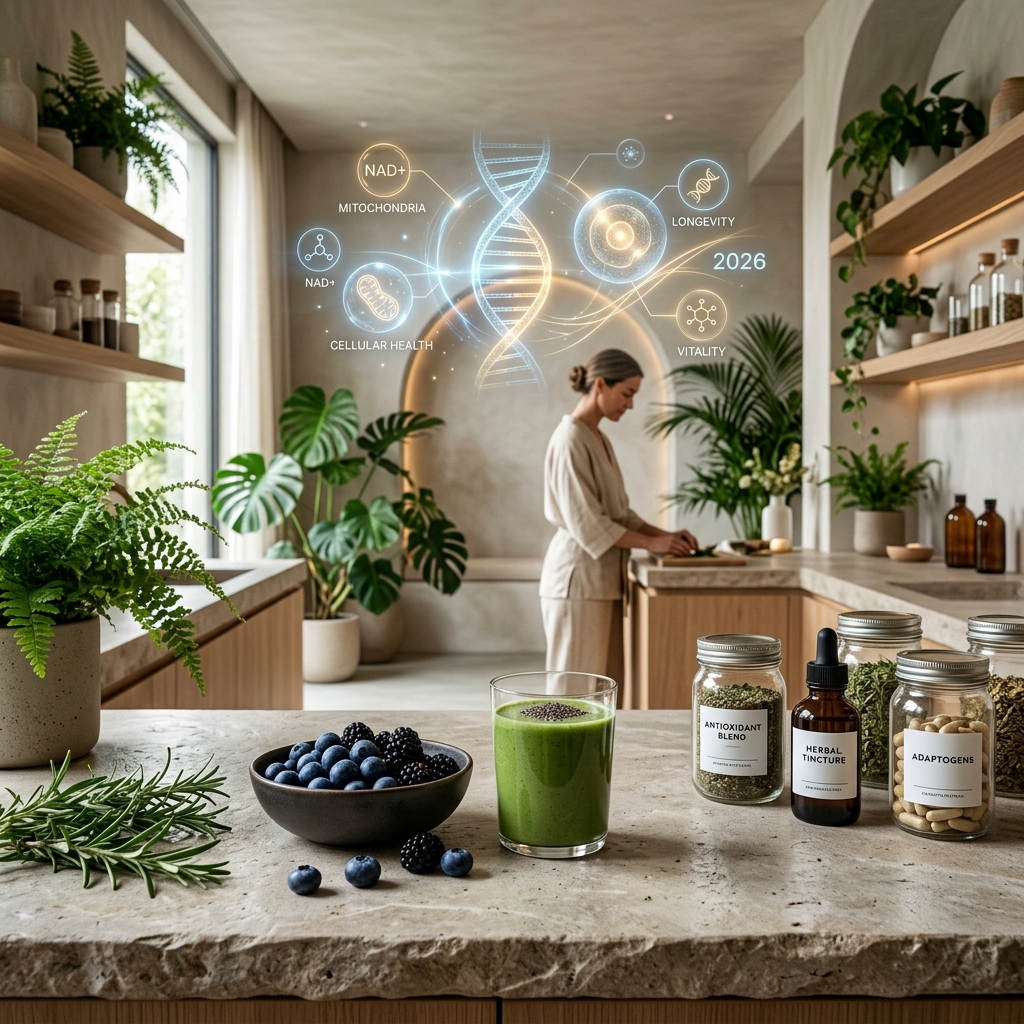
At the cellular level, longevity in 2026 focuses heavily on two areas: mitochondrial optimization and senolytic therapies. Mitochondria are the power plants of your cells. As we age, mitochondrial efficiency drops, leading to chronic fatigue and systemic aging. Practices like heat exposure, high-intensity interval training (HIIT), and targeted compounds (such as NAD+ precursors like NMN or NR) are widely used to stimulate mitochondrial biogenesis—the creation of fresh, high-performing cellular energy centers.
Simultaneously, the medical community has embraced **senolytics**. These are compounds designed to help the body clear out senescent cells—often referred to as “zombie cells.” These are damaged cells that refuse to die; instead, they linger in tissues, secreting inflammatory molecules that accelerate the aging of neighboring healthy cells. Clearing these zombie cells using natural senolytics (like fisetin and quercetin) or clinical therapies is proving to be a cornerstone of systemic rejuvenation.
2. Rewriting Longevity for Women: The Hormonal Command Center
Historically, longevity and medical research suffered from a massive blind spot: the vast majority of clinical trials were conducted on male subjects (both human and animal), assuming that female biology was identical except for reproductive functions. In 2026, this bias has been dismantled. The wellness industry has recognized that women require entirely different longevity protocols, centered around hormonal health.
Ovarian Longevity as Systemic Health
For women, the health of the ovaries is now understood to be the “command center” for overall longevity. Ovaries do not just manage fertility; they produce estrogen and progesterone, which protect the cardiovascular system, maintain bone density, regulate metabolism, and support cognitive health. The natural decline of these hormones during menopause is no longer viewed as something to simply endure, but as a critical physiological transition that requires active support.
In 2026, personalized Hormone Replacement Therapy (HRT) using bioidentical hormones has become standard preventative medicine. By maintaining hormonal balance, women are able to protect their brain health, drastically reduce their risk of osteoporosis, and maintain metabolic flexibility well into their later decades.
Cycle-Synced Lifestyle Design
Even before menopause, younger women are embracing “cycle-syncing”—aligning their work, exercise, and diet with the phases of their menstrual cycle. Rather than pushing through the same intense workout routine every day, women adjust their training: performing high-intensity workouts during the follicular and ovulatory phases when estrogen is high, and transitioning to restorative yoga and mobility work during the luteal phase. This prevents burnout, protects thyroid function, and manages chronic stress levels.
3. The Wearable Backlash: “Lazy Wellness” and Nervous System Regulation

For the past decade, wellness was synonymous with data optimization. People wore smart rings, fitness trackers, and continuous glucose monitors, obsessing over sleep scores, heart rate variability (HRV), and step counts. But by 2026, a major cultural shift has occurred. Consumers are experiencing “wearable fatigue” and a backlash against constant surveillance. The emerging trend is **”Lazy Wellness”** or intuitive recovery—prioritizing rest, joy, and emotional repair over strict data tracking.
Parasympathetic Activation: Calming the Storm
The core focus of mental wellness in 2026 is **Nervous System Regulation**. In our hyper-connected, fast-paced work environments, most professionals spend their days in a state of chronic sympathetic overdrive—the “fight or flight” response. This constant elevation of cortisol and adrenaline triggers low-grade systemic inflammation (sometimes called inflammaging), which accelerates biological aging.
Rather than tracking stress metrics, people are prioritizing active parasympathetic activation—the “rest and digest” state. This is achieved through simple, non-wearable-dependent practices:
The Vagus Nerve Connection: The vagus nerve is the highway of the parasympathetic nervous system, running from your brainstem down to your abdomen. Stimulating this nerve instantly slows your heart rate, lowers blood pressure, and calms the brain. In 2026, simple somatic exercises—such as box breathing, prolonged exhalations, cold water face immersion, and vocal humming—are practiced as regular daily habits to reset the nervous system between work meetings.
Communal and Sensory Recovery
Wellness has also transitioned from a solitary, app-driven practice to a social experience. We are seeing a massive resurgence in public bathing houses, social saunas, and active recovery circles. Instead of sitting alone in an infrared sauna blanket at home, people are gathering at bathhouses to experience contrast therapy (alternating between a hot Finnish sauna and a cold plunge pool) in a community setting. This social connection acts as a powerful buffer against loneliness, which research has shown is as detrimental to lifespan as smoking 15 cigarettes a day.
4. Fueling Longevity: Nutrient Density, Gut Health, and Metabolic Control

The conversation around nutrition has undergone a massive evolution. In 2026, we have moved past restrictive diets, calorie deprivation, and low-fat fads. The focus is now on **nutrient density, metabolic flexibility, and microbiome diversity**.
The Gut Microbiome as your Health Foundation
Your gut is home to trillions of microbes that act as a complex metabolic organ. In 2026, gut health is recognized as the foundation of systemic wellness. A healthy microbiome produces short-chain fatty acids (SCFAs) like butyrate, which strengthen the gut barrier, reduce systemic inflammation, and communicate directly with the brain via the gut-brain axis to regulate mood and focus.
Rather than relying on processed probiotic pills, the focus in 2026 is on **fermented foods and prebiotic fiber variety**:
- Fermented Foods: Daily consumption of live, unpasteurized fermented foods (such as kefir, kimchi, sauerkraut, and kombucha) introduces a diverse array of beneficial bacterial strains to the gut.
- The 30-Plant Rule: Aiming to eat 30 different species of plants per week (including vegetables, fruits, whole grains, nuts, seeds, and herbs). This variety provides the specific prebiotic fibers required to feed different beneficial bacterial strains, ensuring a robust, diverse microbiome.
Metabolic Health and Glycation Management
Stable blood sugar is one of the most critical markers of longevity. When blood sugar spikes repeatedly, excess glucose binds to proteins and fats in a process called **glycation**. This creates Advanced Glycation End-products (AGEs)—fittingly named, as they damage collagen, stiffen blood vessels, and accelerate wrinkles and organ aging.
To manage metabolic health, the modern wellness approach does not suggest eliminating carbohydrates. Instead, it teaches **glucose ordering** and food pairing. Eating fiber and protein before carbohydrates significantly dampens the glucose spike of a meal. Additionally, incorporating light movement, like a 10-minute walk after meals, allows muscles to soak up glucose directly from the bloodstream, protecting your cells from glycation damage.
| Nutrition Term | Why it Matters in 2026 |
|---|---|
| Nutrient Density | Focusing on the concentration of micronutrients (vitamins, minerals, antioxidants) per calorie. High nutrient density supports cellular repair and protects against DNA damage. |
| Metabolic Flexibility | The body’s ability to easily switch between burning carbohydrates and burning fats for fuel. This maintains stable energy levels throughout the day without energy crashes. |
| Adaptogens | Natural substances (like Ashwagandha, Cordyceps, and Lion’s Mane) that help the body adapt to physical and mental stress, protecting the adrenal system. |
5. Step-by-Step Blueprint: Implementing 2026 Longevity Practices
Optimizing your health does not require you to take 50 different supplements or spend hours in a clinical environment. By implementing a few foundational, scientifically backed habits, you can drastically improve your healthspan. Here is a practical blueprint to get started:
Step 1: Baseline Diagnostics
You cannot manage what you do not measure. Start by establishing a clear picture of your current biological state.
- Get Comprehensive Blood Work: Request a panel that includes markers of chronic inflammation (hs-CRP), cardiovascular health (ApoB), metabolic health (HbA1c and fasting insulin), and nutrient status (Vitamin D3, B12, Magnesium).
- Determine your Biological Age: Use a reputable home-testing kit to measure your DNA methylation patterns, giving you a baseline biological age to track your progress over time.
Step 2: Prioritize Sleep Quality
Sleep is the ultimate longevity drug. During deep sleep, your brain activates its glymphatic system to wash away metabolic waste, while your body performs crucial cellular repair.
- Maintain a Consistent Schedule: Go to bed and wake up at the same time every day, even on weekends, to stabilize your circadian rhythm.
- Optimize Your Sleep Sanctuary: Keep your bedroom cool (between 65°F and 68°F / 18°C and 20°C), pitch-black, and quiet. Use blackout curtains and white noise if necessary.
Step 3: Nourish Your Gut & Metabolism
Shift your eating habits toward supporting your microbiome and maintaining glycemic control.
- Add Fermented Foods: Incorporate one serving of live fermented food (like kefir or kimchi) into your daily diet.
- Practice Glucose Ordering: When eating a meal, consume your vegetables first, followed by proteins and fats, and save starches and sugars for last.
- Walk Post-Meal: Step out for a brisk 10-minute walk after your largest meal of the day to clear glucose from your bloodstream.
Step 4: Incorporate Contrast & Breathwork
Train your nervous system to be resilient in the face of stress.
- Contrast Therapy: If you have access, spend 15 minutes in a sauna followed by 2 minutes in a cold plunge pool twice a week to boost circulation and stimulate heat/cold shock proteins.
- Daily Vagus Nerve Reset: Spend 5 minutes every afternoon practicing box breathing (inhale for 4 seconds, hold for 4, exhale for 4, hold for 4) to shift your body out of sympathetic flight-or-flight mode.
Conclusion: The Art of Dynamic Living
The longevity revolution of 2026 is ultimately a return to balance. It is a harmonious marriage between cutting-edge cellular science and ancient, intuitive health practices. We are realizing that to live longer, we do not need to turn ourselves into biological machines or live in sterile isolation. Rather, we need to support our body’s natural resilience, feed our microbiomes, calm our overstimulated nervous systems, and reconnect with our communities.
Longevity is not about avoiding aging; it is about aging dynamically, maintaining your physical strength, cognitive clarity, and emotional joy at every age. By focusing on your healthspan today, you are investing in a future where you can continue to create, explore, and live fully. Your future self will thank you.